

Sudan Between the Fires of Conflict and the Stumbling of a Solution: Who is Obstructing Peace?
Sudan Between the Fires of Conflict and the Stumbling of a Solution: Who is Obstructing Peace?
Arabian Sea - Exclusive
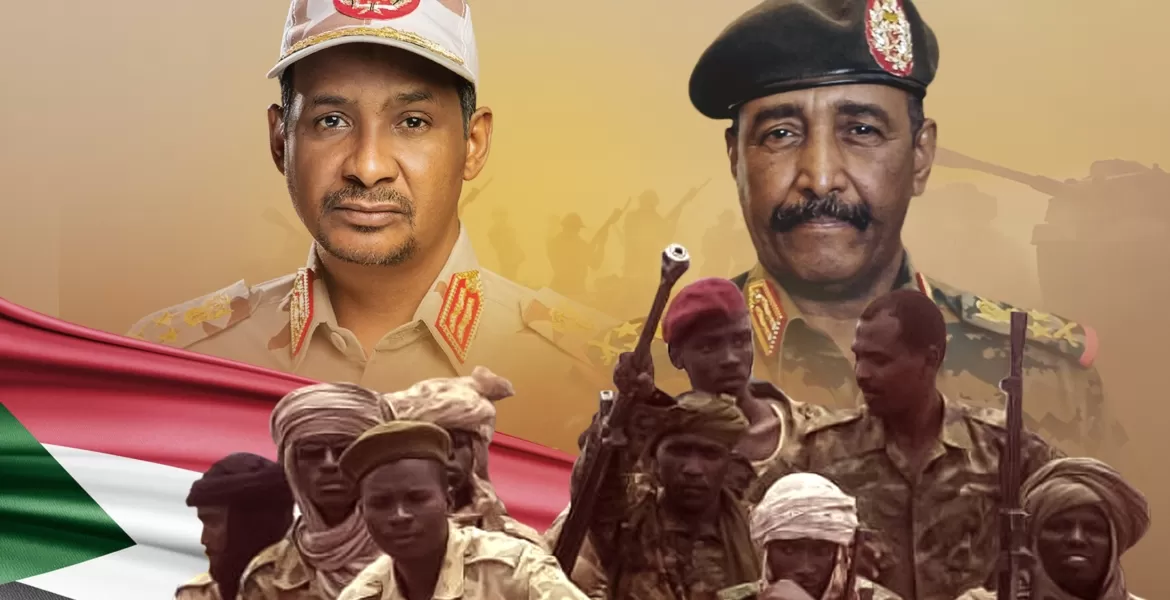
Arab Sea Newspaper – May 2025 Sudan continues to sink into a quagmire of conflict since the outbreak of fighting between the regular army and the Rapid Support Forces in April 2023. A full-scale war erupted from the heart of the capital, Khartoum, and spread to Darfur, Kordofan, and Al-Jazirah, leaving behind a humanitarian catastrophe unprecedented in Sudan since its independence. Roots of the Conflict: An Incomplete Transition Crisis After the fall of the Omar al-Bashir regime in 2019, the country breathed a sigh of relief in the hope of transitioning to a civilian democratic rule. However, these hopes quickly faded with the faltering of the transitional phase, then the military coup in October 2021, which increased tension between the most prominent wings of power: the armed forces and the Rapid Support Forces. Tensions turned into a fierce war due to disagreement over the integration of forces, the division of influence, and the future of governance in Sudan. The Humanitarian Catastrophe: A Dying Country • More than 14 million internally displaced persons inside Sudan, according to UN estimates, in the world's largest internal displacement crisis. • The risk of famine threatens about 30 million people, especially in the west of the country. • Outbreaks of diseases such as cholera and measles amid the near-total collapse of the health sector. • War crimes and widespread violations against civilians, including mass killings, sexual violence, and forced displacement, especially in the Darfur region. Who is Obstructing the Solution? 1. Military Parties The warring forces refuse to enter into serious negotiations to stop the war or hand over power to civilians. Each party seeks to impose its full control over the state, making the cessation of fighting contingent on the balance of weapons, not the will for peace. 2. Indirect External Support Despite the lack of public recognition, some external parties continue to supply the conflict with money and weapons, fueling the war and prolonging it, instead of supporting peace and reconciliation efforts. 3. Division of Civilian Forces After the dissolution of the transitional government, the civilian political forces failed to agree on a unified vision to lead the country to peace, which weakened their position in any potential negotiations. 4. The International Community's Inability Despite humanitarian conferences and financial pledges, the international will remains weak and ineffective. Disagreements between major powers, and differences in regional positions, hinder the issuance of a binding international resolution to stop the war or hold those involved in the crimes accountable. A Glimmer of Hope: Initiatives from the Womb of Suffering Amid this destruction, emergency rooms have emerged, which are popular initiatives led by young people and volunteers within neighborhoods and cities to provide first aid, secure food, and provide relief. Sudanese women are also active in leading local peace efforts, despite threats and difficulties. What is Required Now? • An immediate ceasefire under international and local supervision, ensuring the protection of civilians, and preventing militias from extending their influence at the expense of the state. • Freezing external military support, especially for undisciplined forces that are not subject to state institutions. • Empowering local initiatives, as a pure voice from the womb of suffering. • Comprehensive negotiations that start from the unity of the state, and involve all its components: civilians, youth, women, displaced persons, and communities affected by the war. • A neutral international investigation into the crimes committed, focusing on the systematic violations that have shaken the global conscience. Conclusion Sudan today stands at a crossroads. Either it will be saved by restoring the state and enforcing the law, or it will continue on the path of chaos in which it is being snatched by uncontrolled armed groups. The solution will not come from abroad alone, but from within the country, through a popular will that rejects war, supports the army in rebuilding the state, and believes that peace is the only way to protect what remains of Sudan.