


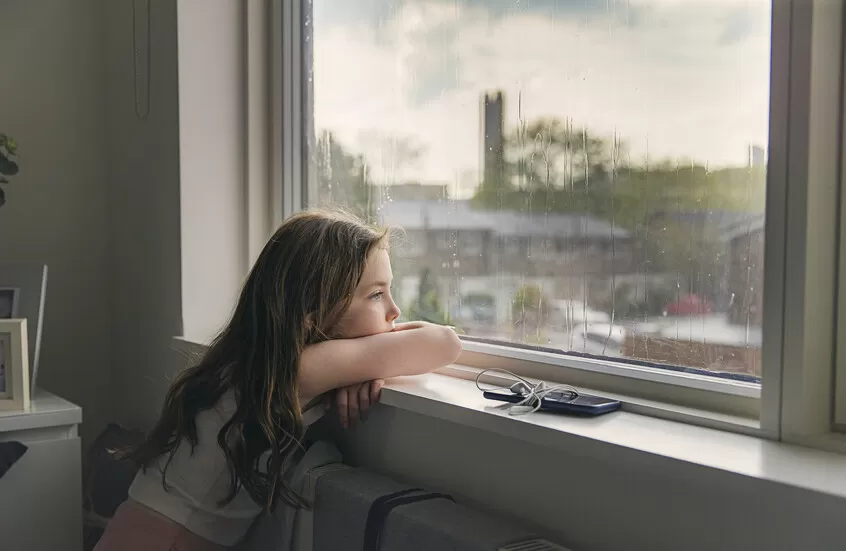
Study: Childhood loneliness increases the risk of dementia later in life.
Arab Sea Newspaper - News Updates
Arab Sea - Follow-ups: A recent study has revealed that feelings of loneliness in childhood may be associated with an increased risk of cognitive decline and dementia in old age. According to the British newspaper The Independent, the study included more than 13,000 participants, and its results showed that children who suffered from loneliness or lacked close friendships before the age of seventeen were more likely to develop dementia later in life, even if feelings of loneliness did not continue with them into adulthood. The results indicated that loneliness in childhood increases the risk of dementia by 17.2 percent, in addition to being associated with faster cognitive decline with age. Professor Andrea Wigfield, director of the Center for the Study of Loneliness at Sheffield Hallam University, said: "Given what is known about the relationship of loneliness in adults to increased risks of cognitive decline, it is not surprising that loneliness in childhood is associated with a similar risk in later stages of life." She added that social connections and emotional attachment in the early years of life leave a lasting impact on the likelihood of individuals feeling lonely later. Wigfield pointed out that loneliness was traditionally linked to the elderly, but recent evidence shows that young people between 18 and 24 years old are the most likely to feel lonely. The researchers in their study, published in the Journal of the American Medical Association, stressed the need to adopt preventive initiatives from the early stages of life, to reduce the effects of loneliness on cognitive health and psychological well-being in the future.