


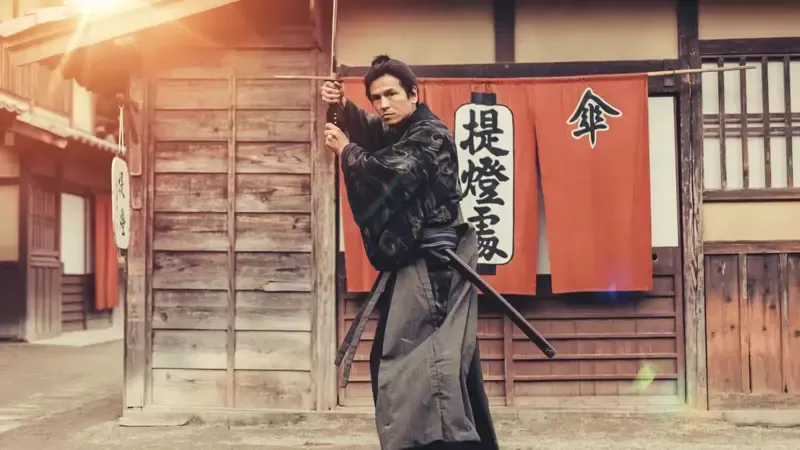
"Ri Ho" exercise... a Japanese secret that enhances knee strength in the elderly.
Arabian Sea Newspaper - Special
Arab Sea_Reports: Ancient Japanese samurai were skilled warriors known for their discipline and precision, and their calm, deliberate style of movement is believed to be an effective way to strengthen the elderly. A randomized study by Tohoku University in Japan showed that a daily practice called "Ri Ho," a mindful technique involving slow, careful movements such as sitting, standing, and walking, can enhance knee strength, helping to prevent falls and injuries among the elderly. The exercise is easy to perform, requires no equipment, and takes only five minutes a day to achieve noticeable results. "Knee extension strength, which is the force needed to straighten the knees, is considered a key measure of movement and daily activities," says Ayaka Ogasawara, an exercise physiologist. "These results suggest that Ri Ho may help the elderly maintain their independence." The study involved 34 adults with no experience in Ri Ho, who were divided into two groups: the first continued their usual activities, while the second group practiced Ri Ho exercises for five minutes a day, four days a week, for three months. After this period, knee extension strength in the exercise group increased by an average of 25.9%, compared to a slight increase of only 2.5% in the control group. Although the participants were not elderly, the researchers expect that the elderly will benefit more from these exercises. "In recent years, the decline in muscle strength and physical fitness has become a major health concern," the researchers said in their study. Muscle strength naturally decreases with age, often leading to conditions such as muscle loss and frailty. This decline is exacerbated by the prevalence of a sedentary lifestyle, and the decrease in strength is more pronounced in the lower extremities compared to the upper extremities. The exercise routine used in the research is characterized by relying only on body weight and slow, deliberate movement, which reduces the risk of injuries and side effects common in other exercises such as high blood pressure. Despite the small sample size and lack of supervision of the participants, other studies have confirmed similar results, even among the elderly. This is not the first time that traditional methods have proven effective in improving health; something worth considering in our rapidly changing modern world, where attention is often focused only on the future. "We believe it is important that people outside of Japan who are interested in trying Ri Ho can benefit from a unique aspect of ancient Japanese traditions along with the health benefits," says Akira Sato, an exercise physiologist.