

Yemen's Cities Under Water: Between Humanity and the Stakes
Arab Sea Newspaper - Special
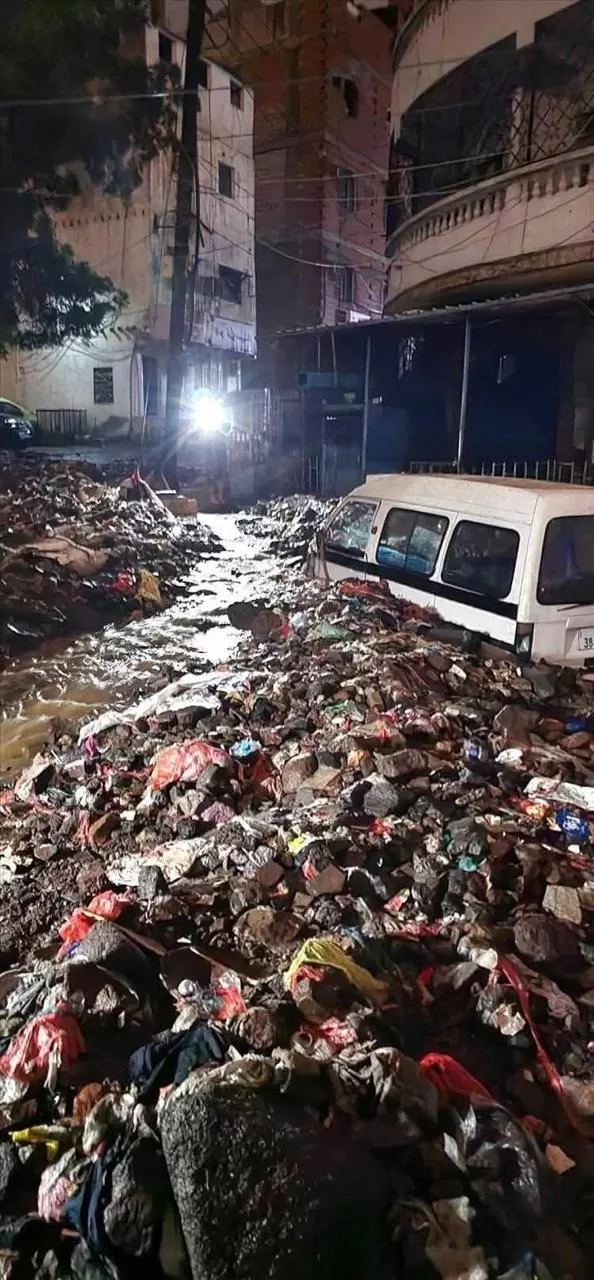
Yemen's Cities Under Water: Between Humanity and Stakes 1- The Event as a Multi-Dimensional Signal: The floods in Yemeni coastal cities are not just a natural disaster, but an indicator of weak infrastructure and the depletion of the state and its fragile institutions after years of conflict. The event has clear humanitarian dimensions, but it also exposes gaps in strategic crisis management at the local and international levels. 2- The Humanitarian and Political Dimension: The thousands affected represent a state of internal social pressure, while the event opens a window on the limitations of international support, which is often linked to political and economic conditions. That is, the humanitarian crisis becomes a bargaining tool within regional and international stakes. 3- Regional and International Strategy: * Regional and international powers are monitoring the repercussions of the floods on social and economic stability, making it a moment to define their policies towards Yemen. * Funding or restricting relief can be a strategic weapon: Motivating local parties to adopt specific policies or strengthening influence in coastal areas. 4- Strategic Risks: * The recurrence of floods exposes weak resource and risk management and increases the fragility of coastal cities. * The accumulation of natural disasters on political conflict can lead to the explosion of new social tensions, making crisis management more complex. 5- Conclusion: The floods in coastal Yemen are not just a natural disaster, but a dangerous multi-level strategic event: * Humanitarian: Reflects the urgent need for assistance. * Political: Highlights the weakness of the state and the exploitation of crises by regional and international powers. * Strategic: Puts the long-term stakes between security, influence, and resource management.