


Hezbollah's weapons developments
Risky Lebanese Decision: "Cabinet Approves Hezbollah Disarmament Plan... Without a Timeline"
Arabian Sea Newspaper - Special
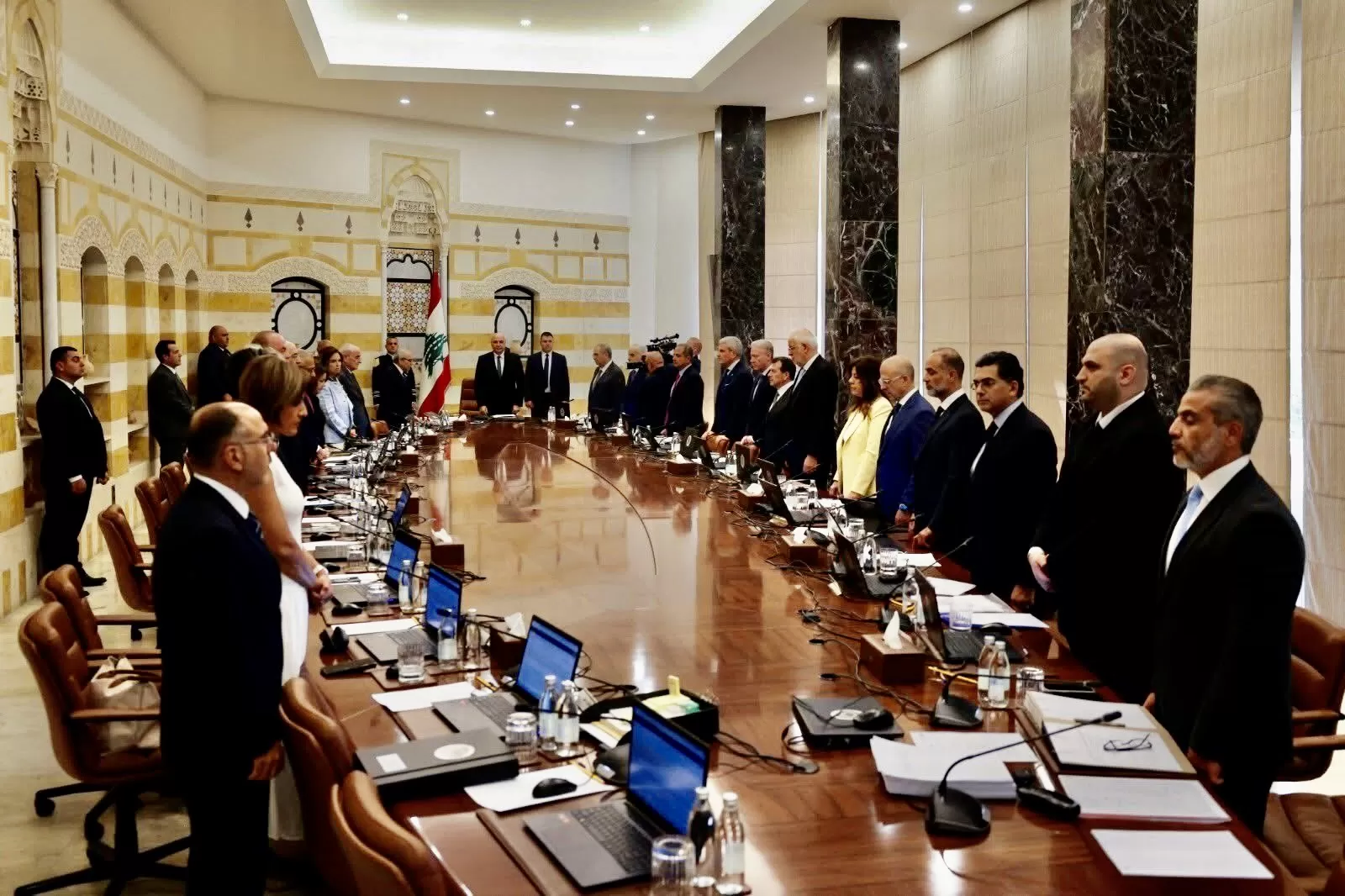
A Risky Lebanese Decision: "Cabinet Approves Hezbollah Disarmament Plan... Without a Timeline" Strategic Analysis - Arab Sea Situation: In a three-hour session chaired by Prime Minister Nawaf Salam, the Lebanese Cabinet discussed an army plan aimed at disarming Hezbollah and transferring full control of weapons to the state. The Council welcomed the plan, with the army to begin its implementation within its limited logistical capabilities, without announcing a timetable. Behind the Scenes: • Withdrawal of Shiite Ministers: Five Shiite ministers (from Hezbollah and Ala Murad) resigned from the session upon the attendance of Army Commander Haykal, in a protest move that highlights the fragility of the sectarian balance of power. • Information Assassination: Accurate information about the plan remained confidential, in an attempt to avoid sliding into internal conflict, and to reassure components of the army that are on the verge of sectarian division. • Clear External Link: The plan comes under American and Saudi leadership, as part of international pressure on Hezbollah in exchange for Israel fulfilling its obligations and de-escalation in the south. Objectives: • Internal Stability: The government plays a foundational role in re-imposing the "state's monopoly on weapons," a symbolic step to rebuild the prestige of the state. • External Balance: Strengthens the Lebanese position in the face of regional pressures, especially from Washington and Riyadh, and diversifies sources of official support. • Phased Plan: The plan provides a time margin to accommodate opposing factions and avoid committing a military split within state institutions. Consequences: 1. Short Term: Increased specter of protests in Hezbollah areas, for which forces have prepared with a security deployment in Beirut. 2. Medium Term: Potential for sectarian political escalation, reinforcing the collapse of the consensus process. 3. Long Term: Failure to implement the plan may lead to the continued inability of the state to control military decisions, especially if Israel continues its violations or is not followed by a simultaneous withdrawal. 4. Regional Outcome: This decision redraws the future of the Lebanese relationship with the Gulf states and the United States, and may open the door to supporting reconstruction in exchange for real and satisfactory implementation. Strategic Conclusion: The Cabinet's decision is not just an administrative procedure, but a pivotal moment in repositioning the Lebanese state internally and externally. The step anticipates moral collapse and embodies: • Correcting the state's course towards a monopoly on force. • A step to readjust the traditional Lebanese equation, so that weapons do not remain outside state institutions, but are subject to the framework of national legitimacy. • A test of the extent of the state's structure in containing sectarian conflicts. It is a moment that reflects the dramatic contradiction in Lebanon: building the state versus challenging a collective resistance project.