

Moroccans, the pride of the nation: A caravan of steadfastness restores the voice of the people in support of Gaza.
Moroccans, the pride of the nation: A caravan of steadfastness restores the voice of the people in support of Gaza.
Arabian Sea - Exclusive
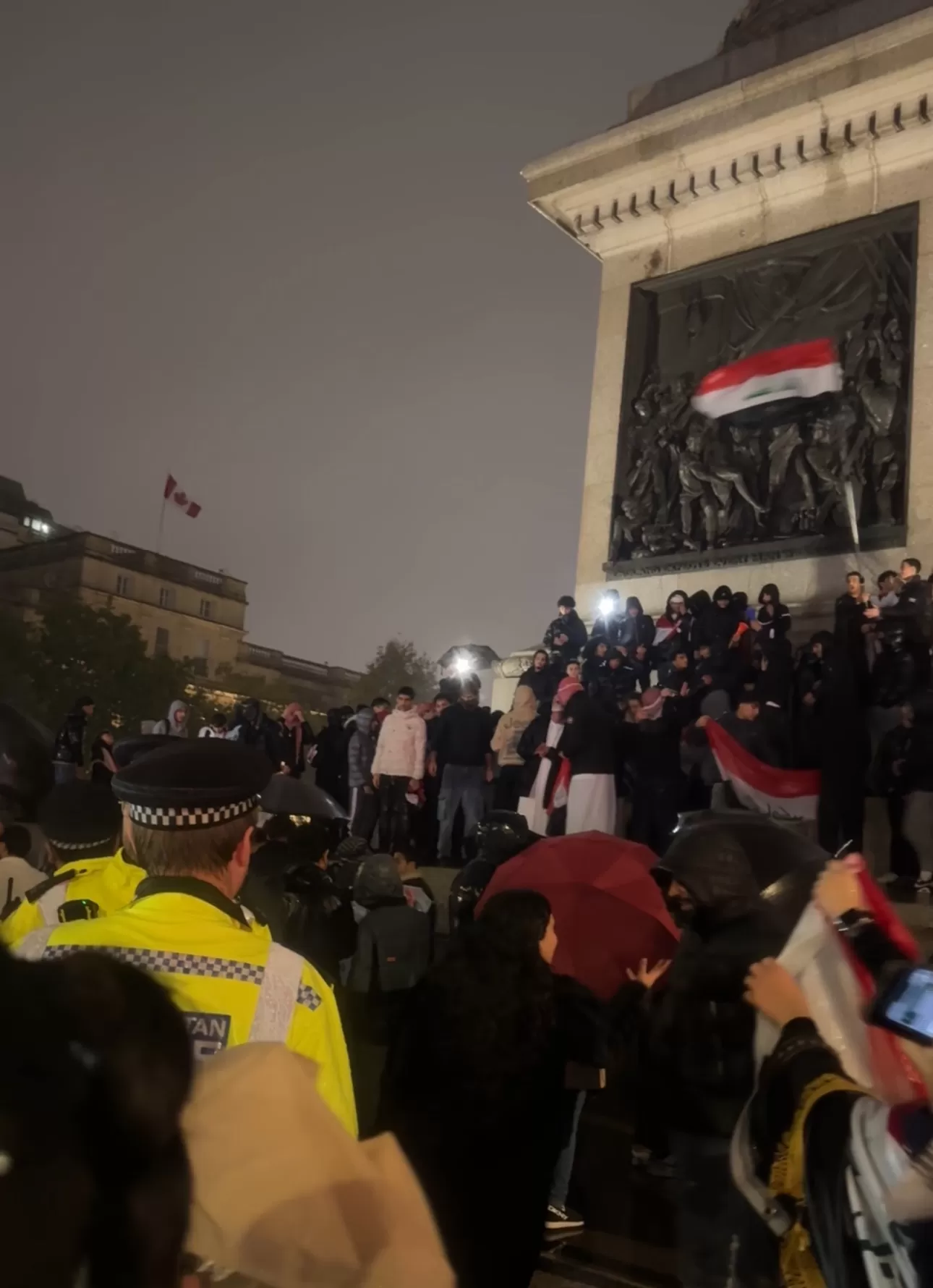
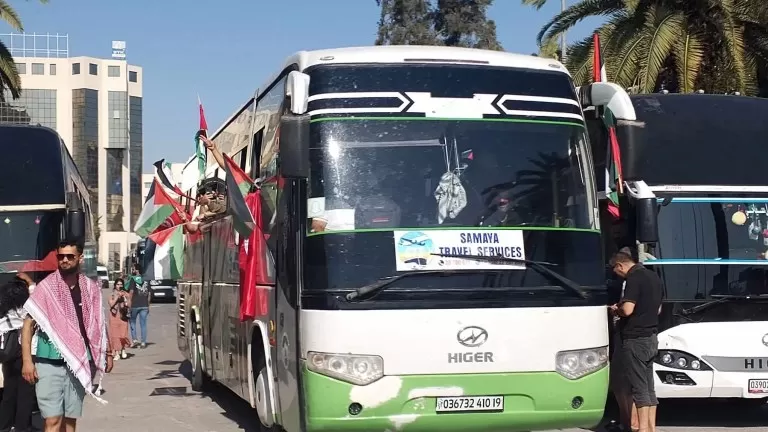
In a time when the role of systems has declined and political wills have weakened, the "Steadfastness" Maghreb convoy set off from the depths of North Africa towards Gaza, to restore hope and revive the spirit of popular solidarity with the besieged Palestinian people. A unique convoy in size and significance, it crossed geographical borders, defying the siege, international betrayal, and political pressures. At the heart of this prominent popular movement, the Moroccan people emerged with their pioneering role, confirming that the compass still points to Palestine, and that the peoples of the nation have not forgotten their historical and moral duty. Moroccans... the pride of the nation From the streets of Rabat to the squares of Tripoli, Moroccan flags were present alongside Palestinian flags, in a scene embodying the unity of Arab destiny. Hundreds of Moroccans participated in the Steadfastness convoy, not only with their bodies and vehicles, but with their positions, organization, and support, so their voice was clear and influential in breaking the walls of Arab silence. They accompanied the convoy from Tunisia to Libya, endured the hardships of traveling across the desert, launched widespread popular support campaigns, and were at the forefront of those who confronted attempts to distort the convoy in the media. They are the sons of the Atlas who have always carried the issues of the nation on their shoulders. There is no doubt that the Moroccans, with this position, have reaffirmed that they are the pride of this nation. From Tunisia to Gaza via Libya The convoy began on June 9 from the Tunisian capital, carrying more than three hundred vehicles and hundreds of participants from Tunisia, Algeria, Morocco, and Mauritania, in what was described as the largest Maghreb popular movement to support Gaza in decades. The convoy then crossed into Libya, where it was warmly received in the cities of Zawiya, Tripoli, and Misrata, and completed its preparations to move to the Rafah border crossing on the Egyptian border. A message to Cairo: Will the doors of Rafah be opened? The convoy today faces a pivotal moment in entering Egyptian territory. Egypt, which has historically been Gaza's gateway to the world, finds itself between popular Arab calls to facilitate the passage of the convoy, and direct Israeli pressure to prevent it under the pretext of security concerns. The expected Egyptian position will be a decisive indicator of the extent to which regimes respond to the popular will, and the extent of their commitment to supporting the Palestinian cause at this critical time. The importance of the convoy at this time First, the convoy represents a sincere expression of the voice of the peoples in contrast to the silence of governments. Second, it has brought the tragedy of Gaza back into the spotlight in the media and internationally, after it had almost disappeared from the priorities of the political arena. Third, it contributes to reviving the culture of peaceful and civil resistance, as the participants carry only symbolic aid and their voices. Finally, preventing it - if it happens - will be a revelation of the compromising positions, and an exposure of those who obstruct the arrival of real support to the people of Gaza. Between hope and a turning point The convoy now stands on the threshold of history. Millions of eyes are following it, and the hopes of the peoples are pinned on its fate. Will the gate of Gaza be opened? Will it be allowed to reach its people who are eagerly awaiting any solidarity initiative? But what is certain is that this convoy, even if it does not reach Gaza, has reached the hearts of millions, and has succeeded in achieving something deeper than breaking the geographical siege: it has restored the spirit to the body of the nation. Conclusion: Living peoples and hope that does not die We have seen in this convoy the true face of the nation, not the image created by official statements. We saw young people from Morocco, Algeria, Tunisia, and Mauritania chanting for Palestine, and women raising the flags of Gaza over the Libyan sands. We saw that the Arab conscience has not died, but has returned to beat again. And it remains for us to say, with all pride: Moroccans are pride. Because they walked the path of dignity when feet stopped, mouths fell silent, and they remained committed to the covenant that Palestine was and will remain their central issue.