
Hadramaut on a hot tin roof... What is happening around the oil fields?
Arabian Sea Newspaper - Al Jazeera Net - Ghazi Kashmeem:
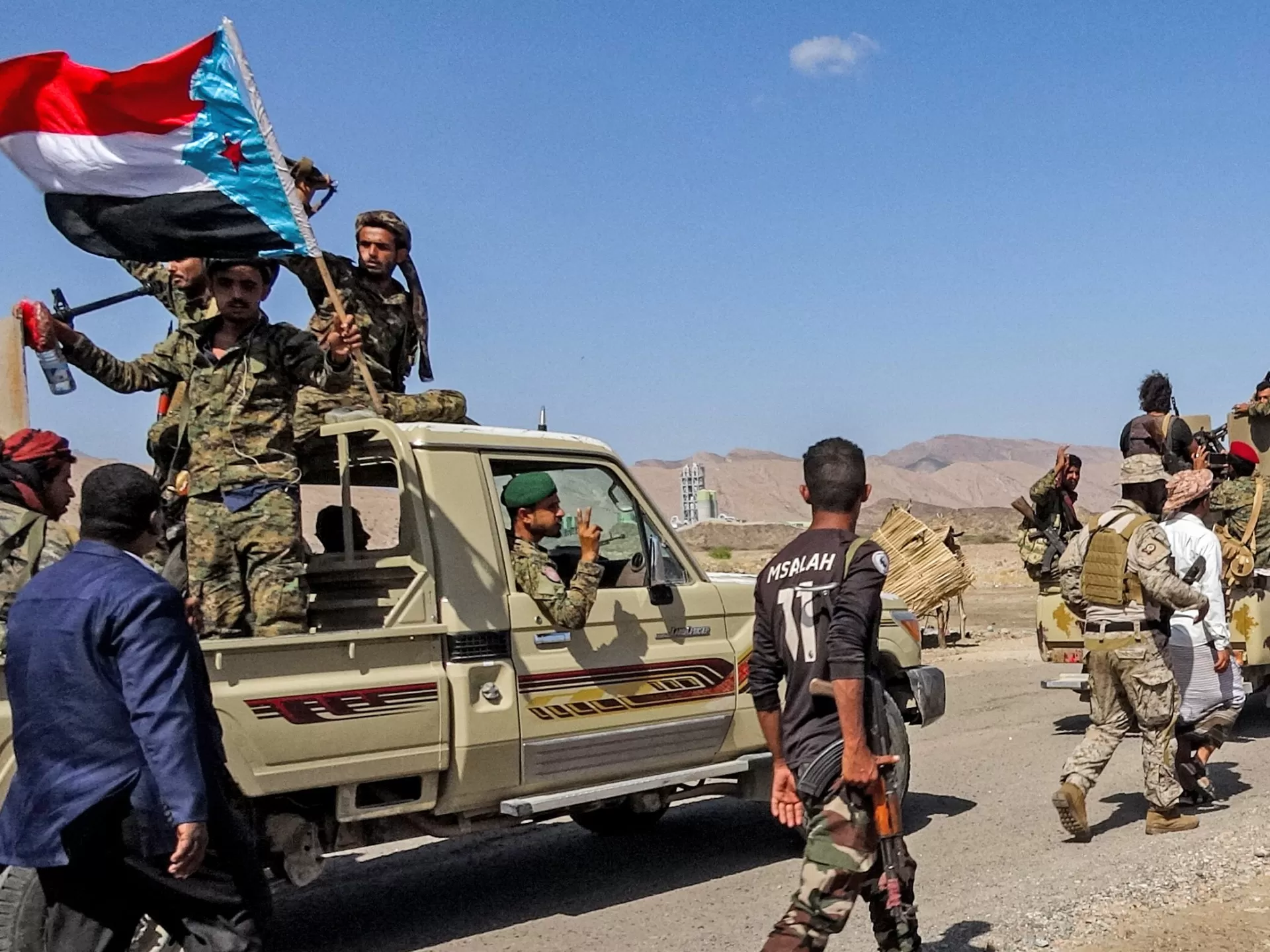
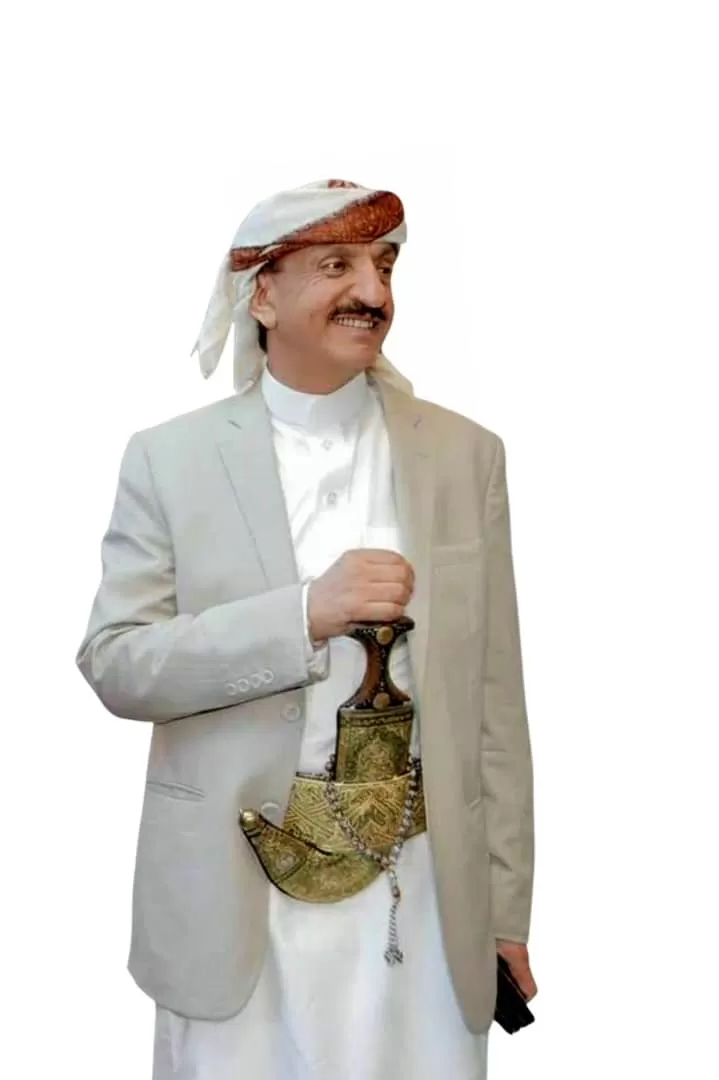
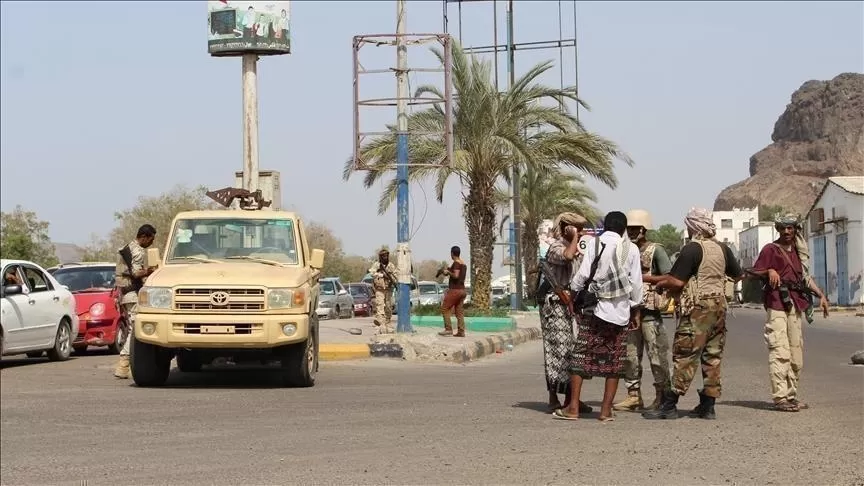
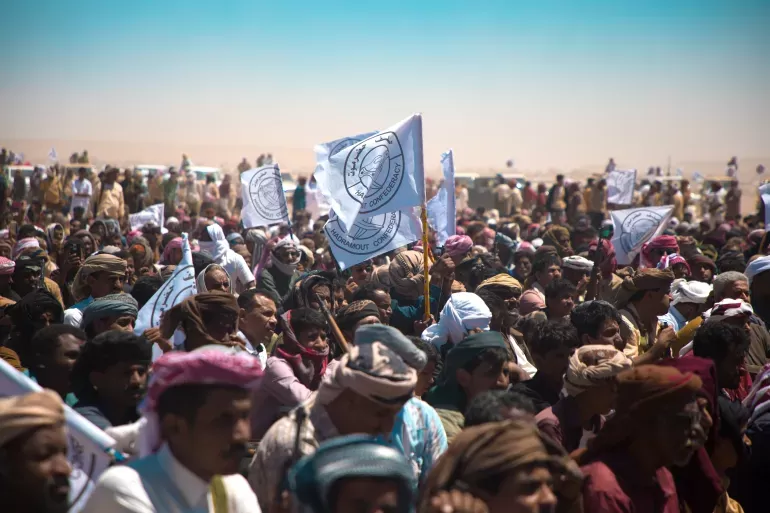
Military tension is escalating in the Hadramout Governorate of southeastern Yemen following clashes on Sunday between forces of the Hadramout Tribal Alliance and the Transitional Council near a strategic oil facility, threatening a new fragmentation of the country and its entry into another phase of the decade-long civil war, fueled by secessionist tendencies and regional agendas. The oil-rich governorate is contested by three main parties: the legitimate government in Aden, which adheres to the unity of Yemen; the Transitional Council, which seeks secession and sees Hadramout as an integral part of the "South Arabian" state project; and the Hadramout Tribal Alliance, which is pushing for self-rule and local administration away from the interference of the central government and the Southern Transitional Council alike. What is happening? The Transitional Council in Yemen has deployed brigades and military units under the name of "Security Support" forces, led by Brigadier General Saleh Ali bin Sheikh Abu Bakr, known as "Abu Ali al-Hadrami," in an "attempt to control the governorate and oil deposits," according to the leader of the Hadramout Tribal Alliance and First Deputy Governor of Hadramout Governorate, Amr bin Habrish. This military move comes after the "Hadramout Protection" forces, supported by the Tribal Alliance, secured the facilities of the Masila oil fields, preempting the control of the "Security Support" forces over them. The Hadramout Tribal Alliance says that there is a project to control Hadramout's oil, including production fields, transportation lines, and export ports, and that controlling the Al-Dabba port and trying to reach the PetroMasila company is part of this project. In a statement following an expanded meeting, the Hadramout Tribal Alliance affirmed that any deployment of what it called "foreign forces" on Hadramout land is considered an "occupation" and will be dealt with by force, and that "decisive" steps will be taken to confront what it said were dangerous movements by forces coming from outside the governorate. For its part, the media center of the Second Military Region of the Transitional Council said that it deployed on Sunday evening a number of military brigades to support and reinforce the force present in the oil facilities in the Masila sector. However, it accused the forces of Amr bin Habrish of "storming the oil facility and attacking the Hadrami forces tasked with protecting it," stressing that it "will not allow this and will strike with an iron fist." What is the background of the conflict? Hadramout enjoys great strategic importance, as it represents 36% of the country's area, includes major ports such as Mukalla and Shihr, in addition to the Al-Dabba oil port, and produces about 80% of Yemen's oil, in addition to possessing the largest oil reserve, making it an economic and political gateway that everyone is competing to control. In return for this importance, the people of Hadramout say that the region's wealth is not reflected on the governorate and its people, as they suffer from deteriorating services and the absence of government solutions, and they do not have real representation in the management of their governorate and its oil resources. Although Hadramout remained far from the direct confrontations between the legitimate government and the Houthis during the years of the war, it suffered from the repercussions of the conflict and the extension of local and regional influence. The legitimate government in Aden adheres to the unity of Yemen, while the Transitional Council seeks to extend its control over Hadramout within the framework of its secessionist project from Yemen. The third side of the triangle that disputes the rule of Hadramout is the Hadramout Tribal Alliance, which is pushing for self-rule and local administration away from the interference of the central government and the Southern Transitional Council alike. This mixture of demands, self-rule on the one hand, and secession on the other, has made Hadramout an arena of internal and regional power struggle, between local forces (tribes, local elites) and forces supported by external parties. What is the Hadramout Tribal Alliance? The Hadramout Tribal Alliance is a tribal formation that dates back to 2013 as a popular and tribal framework seeking to obtain rights and achieve a fair partnership in power and wealth, and it is known for its opposition to the Southern Transitional Council. The alliance seeks to implement self-rule in the governorate, and it now possesses a military force in a number of the sprawling Hadramout directorates that are not subject to the Yemeni Ministry of Defense. The alliance adopts a discourse calling for empowering the residents of Hadramout to manage the affairs of their governorate away from central tutelage. Observers and political analysts say that Hadramout, the largest governorate in Yemen in terms of area and the richest in oil, is witnessing a complex overlap between local and regional military forces, amid an escalating competition for influence and military developments on the ground that threaten to add more divisions in the country that has been suffering from the ravages of war for more than a decade. The Hadramout Governorate is under the control of the internationally recognized government, which is supported by a coalition led by Saudi Arabia that intervened in the country in March 2015 after the Houthis took control of the capital, Sanaa. What is the position of the legitimate government? No ministerial comment has been issued by the Yemeni government so far, nor has the legitimate government taken any action to ease the tension in a governorate that enjoys relative stability, especially with the sharp tone of the discourse, threats, and military mobilization from all parties. Faraj al-Bahsani, a member of the Presidential Leadership Council in Yemen, warned that Hadramout is going through a stage he described as "the most dangerous in decades," calling for a halt to the escalation that could push the governorate towards an internal conflict "in which there is no winner." Al-Bahsani, a former governor of Hadramout, said in a statement that the governorate is being driven towards "divisions that only serve its enemies," warning against any attempts to show force, after a statement issued by the local authority led by the dismissed governor, Mabkhout bin Madi, included warnings of steps that could lead to "chaos." A report issued by the Yemen Policy Center believes that the absence of the central state has expanded the area of tribal influence and strengthened local divisions, which threatens to turn the governorate into a new arena of conflict, unless the escalating tensions are contained.