

Report: Severe Cold Wave Hits Yemen... Urgent Needs for Displaced People
Arab Gulf Newspaper - Middle East - Waddah Al-Jalil:
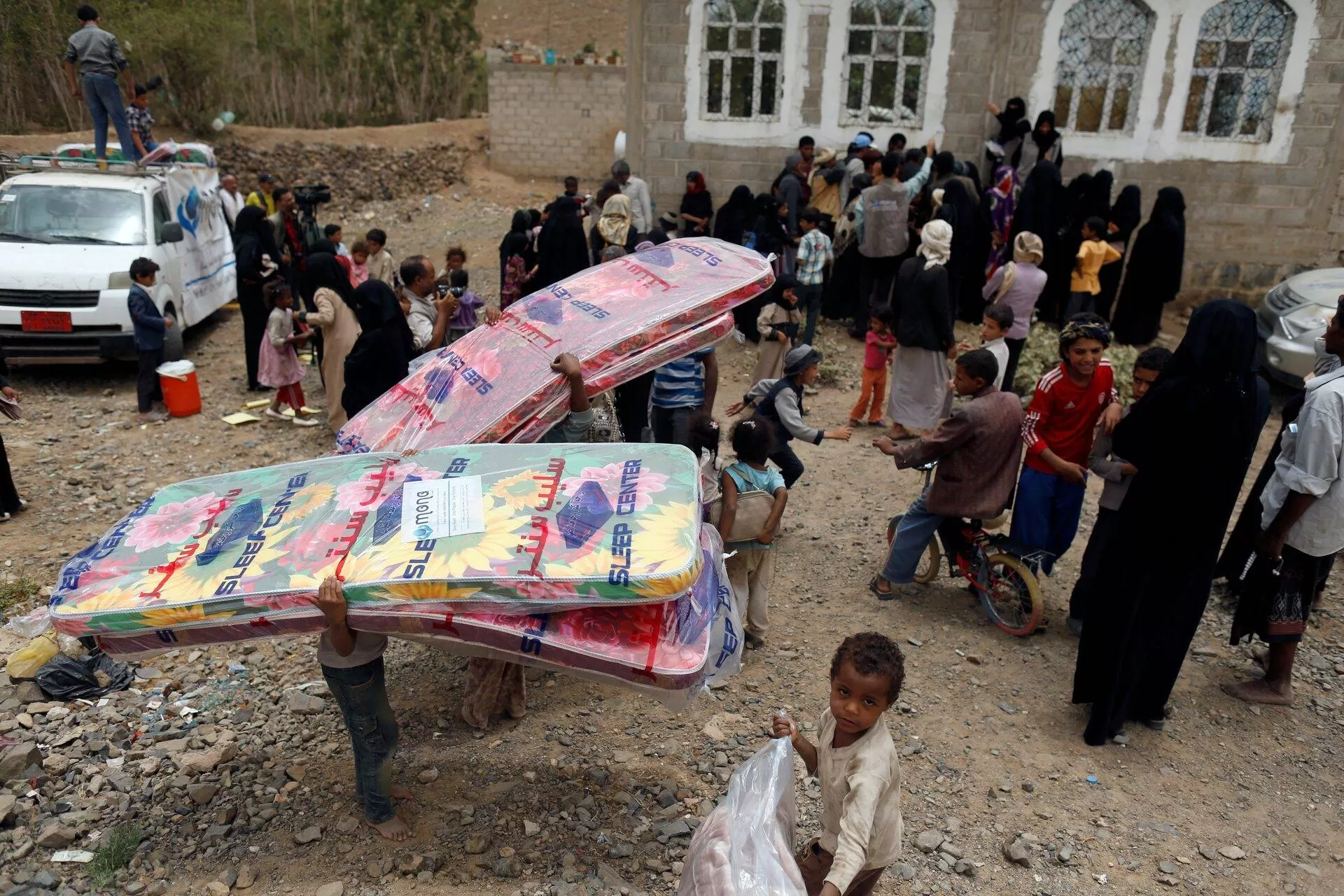
Yemen is experiencing colder than usual weather in mid-autumn, before the arrival of winter, coinciding with an increase in the number of people in need of assistance, amid warnings of a sharper drop in temperatures in the coming weeks, exacerbating the suffering of the displaced, and a request for $7 million in funding to secure the needs of hundreds of thousands of them. Meteorological experts expect the country to experience a severe cold wave in the highlands in the coming days, which will affect the health of the population, including children and the elderly, in addition to its impact on agricultural crops, and its severity will increase during the night and early morning hours, especially in the northern governorates, and its intensity will decrease relatively towards the south, southwest, and northeast. A number of experts have suggested that the governorates of Saada, Amran, and Sanaa in the north, and Dhamar and Al-Bayda in the south and southeast of the capital Sanaa, are the most vulnerable to this wave, followed by the highlands in the governorates of Ibb, Taiz, Lahj, and Al-Dhalea, in the south and southwest of the country, in addition to the western parts of Al-Jawf Governorate (northeast). The eastern governorates such as Hadramout, Shabwa, Abyan, and Marib, and the western and northwestern governorates such as Reimah, Hajjah, and Al-Mahwit, are not excluded from this wave, but to a lesser extent, which calls for taking precautions to protect children and the elderly from its effects, and taking measures to protect crops from damage. The Executive Unit for the Management of IDP Camps in Marib warned in recent days of the increased suffering of the displaced and the most vulnerable groups with the approach of winter, and called on humanitarian partners and donors to take urgent action and provide the necessary winter assistance. Funding Gap The Executive Unit for Displaced Persons, an official body, stated that its field reports revealed painful conditions for children, women, and the elderly living in dilapidated tents without adequate blankets or heating, which doubles the risk of severe cold for them, warning that delaying the response threatens the lives of vulnerable groups and doubles their suffering. It recalled the deaths of a number of children and the elderly in past years due to complications from severe cold and lack of humanitarian support, and called for efforts to avoid repeating the tragedy this year, by providing winter clothes, blankets, heating equipment, insulation, and floor mats urgently, and paying attention to the most affected families. The "Shelter Cluster" issued an urgent appeal for $7 million in funding to secure winter needs for approximately 217,000 displaced persons, returnees, and host communities in Yemen. The "Cluster" indicated that the weak humanitarian response will expose tens of thousands to the risks of severe cold, especially in 45 locations spread across 12 governorates whose residents face difficult living conditions that limit their ability to purchase basic winter supplies. According to a recent analysis conducted by the "Cluster," a UN mechanism that coordinates the efforts of humanitarian organizations and other actors to provide shelter support to people affected by disasters and conflicts, approximately 642,000 displaced persons, living in 45 districts spread across a number of governorates, need winter assistance, including approximately 563,000 who are exposed to freezing temperatures. Only 5 percent of the required funding is covered, leaving a dangerous funding gap of 95 percent. The UN Cluster defined its strategy to address this crisis by repairing shelters or replacing damaged tents and dwellings and insulating them adequately, distributing a "winter package" of highly insulated blankets to each individual, and various winter clothes, according to the number of members of each family, in addition to the possibility of providing cash assistance, according to an assessment of local markets and purchasing power. It reiterated the warning that the coming winter will witness conditions similar to the previous one, making the provision of funding an urgent necessity to ensure the safety of approximately 31,000 families living in extremely cold environments, and to grant them the minimum level of safety and warmth. Season of Deteriorating Living Conditions The Integrated Food Security Phase Classification (IPC) initiative predicted that the number of Yemenis facing high levels of food insecurity will rise to 18.1 million people during the period from last October to next February, approximately 52 percent of the population whose living conditions were studied. According to the initiative, approximately 41,000 people are likely to enter Phase 5, classified as a catastrophe, in some districts, and more than 5.5 million people in Phase 4, which is the emergency phase, while approximately 12.574 million people will fall into Phase 3, which is the crisis phase, with the likelihood that the number of districts that may fall into the emergency category will rise from 143 to 166 districts during the same period. The need for shelter is competing with the food needs of the displaced throughout the year. Without rapid intervention, the initiative, a multi-party gathering of UN agencies and technical and humanitarian organizations aimed at improving food security and nutrition analysis and humanitarian decision-making, expresses its concerns about a complete collapse of livelihoods. The initiative identified the drivers of the humanitarian crisis as the ongoing conflict that hinders access to markets, the economic distress represented by the weak currency, low income, and declining job opportunities, climate shocks, declining humanitarian aid, and exhausted coping mechanisms. The suffering of Yemenis is exacerbated in winter, which is a season of drought, due to the cessation of rains on which the majority of agricultural activities depend, while seasonal crops face the risk of damage due to frost.