

Internal and external pressures plague Iraq amid escalating regional tensions.
Arabian Sea Newspaper - Special
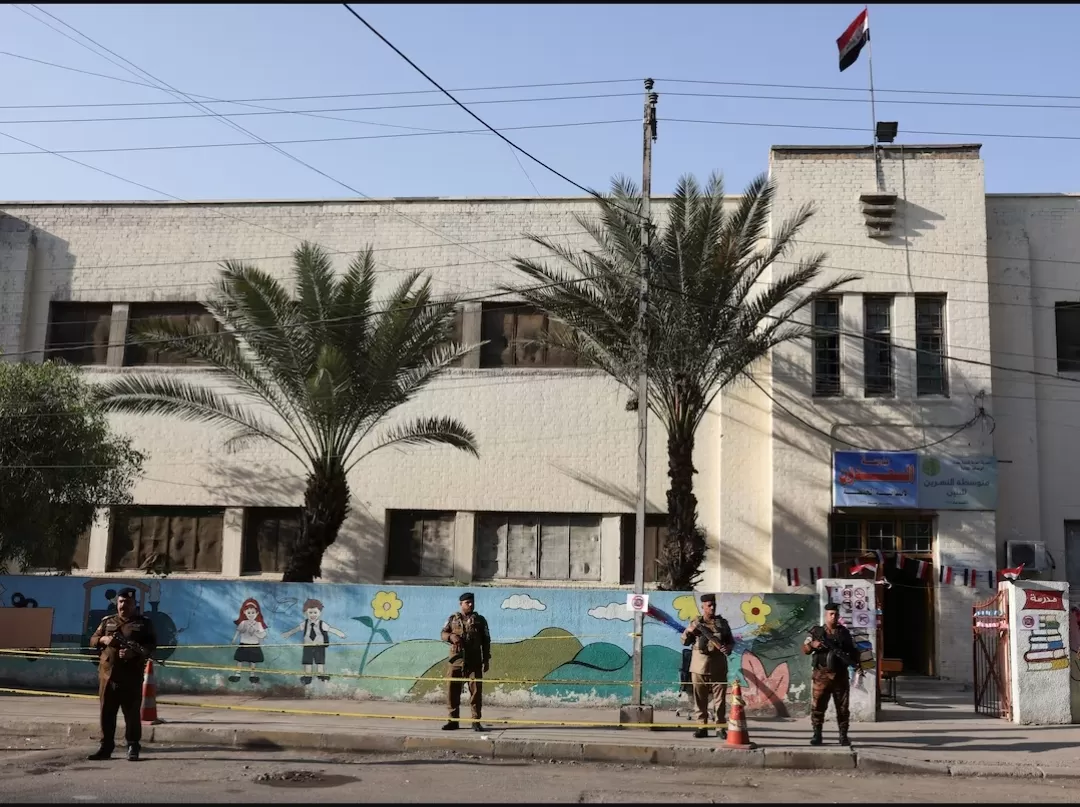
Arab Gulf - Follow-ups: Although Iraq has so far succeeded in avoiding slipping into the regional escalation resulting from the war in Gaza, significant challenges still loom on the horizon. The Iraqi government faces increasing pressure from the United States and Israel to contain Iranian-backed armed groups, which could push the country into an unwanted confrontation. Domestically, the winners of the elections will find themselves facing a difficult test in the need to achieve tangible reforms that meet the aspirations of citizens, improve living conditions, and combat widespread corruption. These pressures come amid memories that are still strongly present of the massive popular protest waves in 2019 and 2020, which shook the political system and revealed the extent of public anger at the deterioration of services and mismanagement. The beginning of the modern electoral experience in Iraq dates back to 2005, following the American invasion in 2003 and the fall of the regime of the late President Saddam Hussein. The first elections were overshadowed by an atmosphere of sectarian violence, amid a widespread boycott by Sunni Muslims, as a result of their feeling of political marginalization after the transfer of power to the Shiite majority, which had been suppressed for decades. The influence of sectarianism has declined in the daily lives of many Iraqis, especially among the younger generations who are now more concerned with livelihood issues and social justice, but sectarianism remains rooted in the Iraqi political structure. The political system based on sectarian and ethnic quotas still enshrines the sharing of senior positions among the components, so that the prime minister is required to be from the Shiite sect, the speaker of parliament from the Sunnis, and the president of the republic from the Kurds. Other government positions are also distributed among various religious and ethnic groups, including Christians, Turkmen, Yazidis, and others, which reinforces factional loyalties and weakens national state institutions.