

Yemen: 182 dead and injured, and more than 387,000 affected by rains and floods
Arabian Sea Newspaper - Special
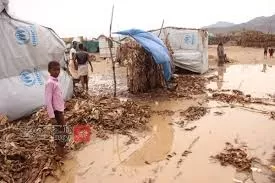
Arabian Sea - Yemen - Follow-ups: The United Nations announced that the heavy rains and floods that have swept through most Yemeni governorates since the beginning of last August have resulted in the death and injury of 182 people, and affected more than 387,000 others, amid warnings of serious humanitarian repercussions. The United Nations Office for the Coordination of Humanitarian Affairs (OCHA) said in a report on Wednesday that the climate disaster affected more than 55,000 families - approximately 387,000 people - in 143 districts spread across 20 Yemeni governorates. According to the report, 182 victims were recorded in 11 governorates, including 82 deaths and 100 injuries, as a result of drowning, lightning strikes, and the collapse of homes under the weight of the floods. The UN office indicated that the floods caused severe damage to infrastructure, roads, housing, shelters, health facilities, and schools, as well as water and sanitation networks, livelihoods, agricultural lands, irrigation systems, and livestock. The destruction of crops and agricultural tools has also led to a sharp decline in food production, further undermining food security in a country already suffering from record levels of acute hunger. The report added that the floods swept landmines and unexploded ordnance into populated areas, doubling protection risks, while concerns rose about the outbreak of diseases as a result of damage to sanitation facilities, the flow of contaminated water in the streets, and the presence of large quantities of stagnant water. It stated that at least 56 health facilities have been directly or indirectly affected since the beginning of August. Regarding the humanitarian response, OCHA explained that international partners have so far been able to deliver life-saving assistance to more than 21,421 families, or about 150,000 people, but gaps remain "critical" due to lack of funding, weak stocks, and obstacles to storage and distribution, especially in the water, sanitation, shelter, and non-food items sectors.