


Experts: US sanctions reveal details of Iran's role in supporting militias in Sudan.
Arabian Sea Newspaper - Special
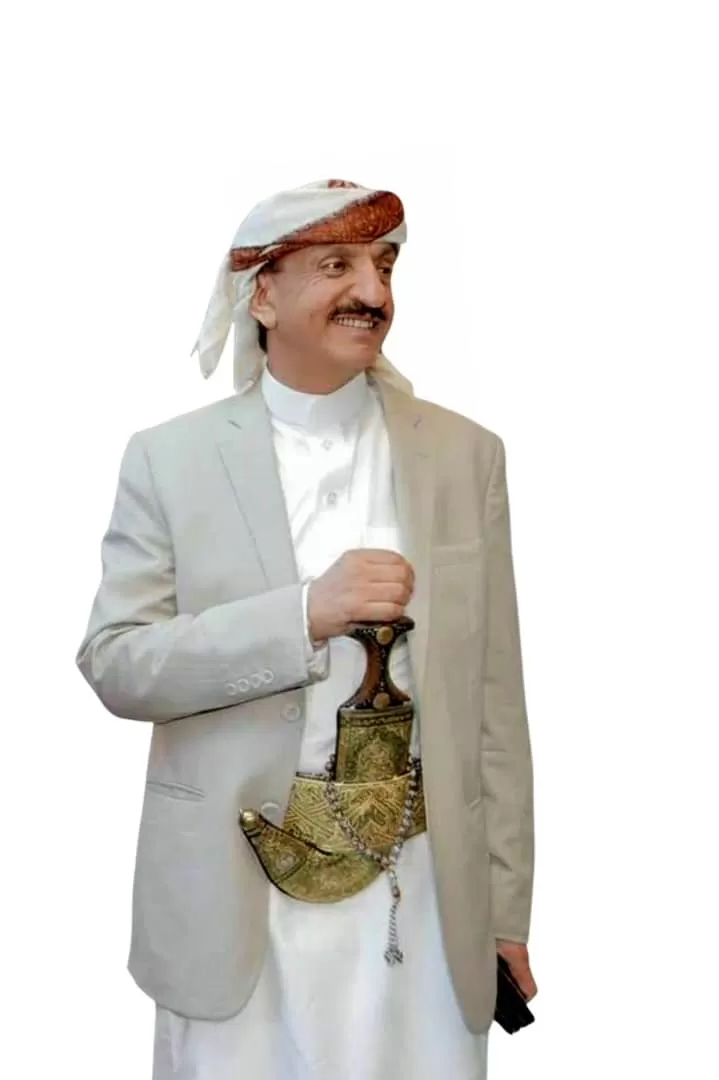
Arab Sea - Follow-ups: Sudanese politicians and experts considered the recent US sanctions against Islamic figures and militias in Sudan a remarkable shift in the international stance towards the ongoing war, noting that Washington has begun targeting the actual drivers of the conflict, who seek to prolong it through military and political support. Experts said that these sanctions reveal the extent of regional and international involvement in the conflict, especially with evidence of direct links between some armed battalions and Iran, raising fears of Sudan turning into a proxy conflict arena between external powers. According to the US Treasury Department, the Office of Foreign Assets Control (OFAC) imposed sanctions on Sudanese Finance Minister and leader of the Justice and Equality Movement, Jibril Ibrahim Mohamed, in addition to the Al-Baraa bin Malik Brigade, a hardline Islamic armed battalion founded in 2023 whose members received training and support from Iran. The ministry explained that the aim of this step is to reduce the influence of Islamists in Sudan and limit Iran's regional activities that contribute to destabilization. The aforementioned brigade, along with other battalions such as "Al-Qaqa" and "Ansar Allah," operates under the command of the Sudanese army. The roots of some of its members go back to the "Al-Barq Al-Khatif" battalion, which participated in the fighting in Syria in 2012. Reports indicate that the brigade carried out military operations against civilian-populated areas, with the support of the Quds Force of the Iranian Revolutionary Guard. Dr. Alaa El-Din Nogd, the spokesperson for the Sudanese Founding Alliance, affirmed that "the war was not an option for the Sudanese people or the Rapid Support Forces, but was imposed by the Islamic movement, the National Congress regime, and its militias," considering that "the US sanctions are a first step in the right direction towards stopping the war, if they target the parties that benefit from its continuation." For his part, Salah Hassan Jumaa, an expert on Islamic groups, explained that "the Al-Baraa bin Malik Brigade, led by Al-Misbah Abu Zaid, was the military arm of the Muslim Brotherhood, and its emergence was prepared before the outbreak of the war," noting that it "possesses advanced weapons and drones that make it more capable than the army itself." He added that "Jibril Ibrahim, who allied himself with the Islamists, played a role in transferring funds from defense systems controlled by the Islamists abroad through intermediaries, which made him a direct target of US sanctions." Under Executive Order 14098, the sanctions include freezing the assets of those listed and prohibiting US citizens from dealing with them, in addition to imposing restrictions on entities they own 50% or more of.