


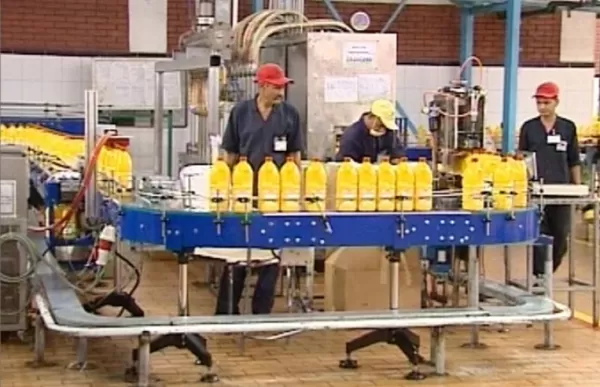
Yemen: The war has cost the industrial sector in Yemen about $35 billion.
Arab Sea Newspaper - News Updates
Arabian Sea - Yemen - Follow-ups: A recent report revealed that the Yemeni industrial sector has incurred heavy losses since 2015, with the destruction of infrastructure, the disruption of supply chains, and the rise in operating costs. The cumulative losses of the sector were estimated at about $35 billion, including the oil and gas, food, and consumer industries. The report, issued by the Sana'a Center for Strategic Studies, indicated that before the war, the industrial sector represented more than 30% of the gross domestic product and provided job opportunities for about 14.5% of the workforce. However, 78% of industrial enterprises were micro-enterprises employing less than four workers, making them vulnerable to economic and political fluctuations. The report identified a range of obstacles, including the absence of a national industrial development strategy, limited financing (with 60% of companies relying on self-financing), and weak infrastructure, especially in the energy and transportation sectors. It also pointed to the competition from low-cost, externally subsidized imports, which threaten local industries and make them less competitive. The report stressed the need to integrate women more fully, through vocational training, the establishment of women-friendly industrial zones, the provision of safe transportation, and childcare services. The report suggested rehabilitating industrial infrastructure, updating legislation, and adopting alternative energy solutions such as solar energy. It also recommended supporting research and innovation, promoting local products, and imposing environmental and health standards in high-impact sectors such as cement and crushers. The report called on the international community to contribute to financing the "Industrial Financing Fund," supporting soft loans for small and medium-sized enterprises, and funding programs to empower women economically, in addition to providing technical support for the adoption of clean production technologies.