

UN report: Expected decrease in food insecurity in areas under the Yemeni government's control
Arab Sea Newspaper - News Updates
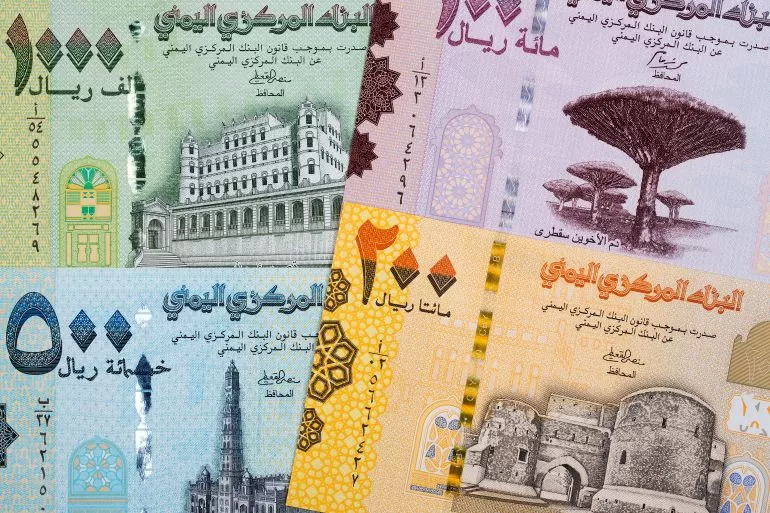
Arab Sea - Yemen - Follow-ups: A report issued by six UN and international organizations anticipates a decrease in food insecurity rates in areas under the control of the internationally recognized Yemeni government, due to the noticeable improvement in the value of the local currency in the recent period. The Joint Monitoring Report for August 2025 stated that "The significant increase in the value of the currency witnessed in these areas since the end of July, and the subsequent decrease in food prices, is likely to lead to a decrease in acute food insecurity rates." The report indicated that these positive developments will provide better opportunities for many families to access food, expecting that this will contribute to "reducing the number of people facing acute food insecurity during the period from September 2025 to February 2026." The report also drew attention to the measures taken by the Central Bank in Aden, which included the establishment of a committee to regulate and finance imports and the closure of unlicensed exchange offices, with the aim of stabilizing prices, preventing speculation, and ensuring the flow of essential imports. However, the report affirmed that "the impact of these measures remains limited, and the temporary improvement is unlikely to continue without the implementation of comprehensive economic reforms that address the fiscal deficit and trade balance imbalances." The report warned that despite this temporary improvement, the cumulative effects of the ongoing economic deterioration, the decline in humanitarian aid, and climate shocks will lead to an increase in the number of people at risk of acute food insecurity from 4.95 to 5.38 million people over the next six months. It is worth noting that the Joint Monitoring Report is issued periodically with the participation of the "FAO," "UNICEF," "World Food Programme," "World Health Organization," the World Bank, and ACAPS, which specializes in capacity assessment.