

Yemeni government: Houthis looted more than 80% of humanitarian aid intended for areas under their control.
Arabian Sea Newspaper - Follow-ups
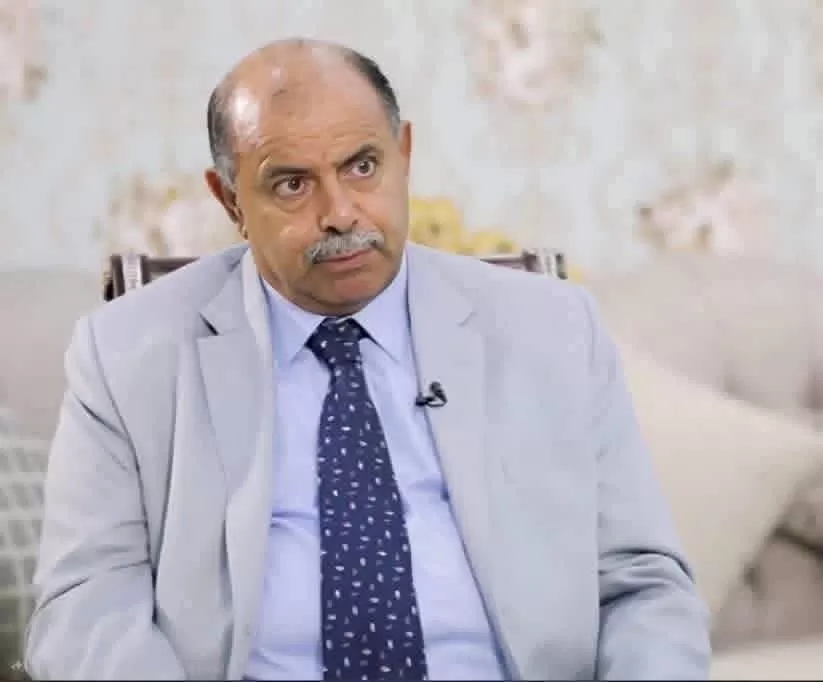
Arabian Sea - Yemen - Follow-ups: The Yemeni government has revealed that the humanitarian aid the country has received since 2015 until mid-2024 has exceeded $23 billion, 75% of which was allocated to areas controlled by the Iranian regime-backed Houthi terrorist militia, and more than 80% of which was looted and turned into tools to finance the war and enrich Houthi leaders. The government confirmed, in a statement by the Minister of Information, Culture and Tourism, Muammar Al-Eryani, that about 60% of the aid does not reach those who deserve it in the Houthi-controlled areas, according to UN reports, while the World Food Program revealed the disappearance of huge quantities of aid in 2019, and a report by the "Recovering Stolen Money - REGAIN YEMEN" initiative indicated that $13.5 billion was directed to Houthi areas, most of which was looted. The minister explained that the Houthi militia established the so-called "Supreme Council for the Management and Coordination of Humanitarian Affairs and International Cooperation" (SCMCHA), and linked it to the security and intelligence apparatus, to be used as a tool to control humanitarian programs, as no organization is allowed to operate without its approval. According to reports, UN agencies have paid salaries of up to $10,000 per month to the head of "SCMCHA" and his deputy, and funded operating and furnishing operations with huge budgets, including $1 million every three months from the High Commissioner for Refugees and $200,000 from the Immigration Agency. Al-Eryani pointed out that the militia controlled the joints of humanitarian work in the areas under its control, imposed on UN agencies to deal with hundreds of organizations affiliated with it as implementing partners, restricted the movement of international organizations, and forced them to purchase from suppliers affiliated with it, which led to the dominance of its networks over supplies and deals. He added that the Houthis practiced multiple patterns of looting and corruption, including the direct seizure of food and medicine and selling it on the black market, manipulating beneficiary lists and diverting support to the families of their fighters, forging cash support programs, imposing deductions on beneficiaries, imposing a tax of 2% on aid under the pretext of "operating expenses," diverting aid to the port of Hodeidah instead of Aden, and linking banking transactions to their approved banks. Al-Eryani pointed to the report of the UN Panel of Experts for 2019, which confirmed that the Houthis do not respect the independence of humanitarian work, exert pressure to employ loyalists, obstruct the work of organizations, assault their employees, and prevent the issuance of visas, in an attempt to impose dominance over the entire humanitarian system. The minister pointed out that the Houthis relied on front organizations to loot aid, most notably the "Banyan Development Foundation" affiliated with the leader Muhammad al-Madani, the "Yemen Thabat Foundation" affiliated with Fawaz al-Hamid, the "Yemeni Center for Human Rights" affiliated with Ismail al-Mutawakel, and the "Arkan al-Nahda" company, which obtained distribution contracts worth more than half a million dollars in the governorate of Hodeidah. The government warned that the continuation of this organized looting has exacerbated the humanitarian crisis, undermined the confidence of donors, reduced the volume of international funding, and increased the suffering of millions of Yemenis, especially the displaced and hungry, whose tragedy has been exploited to finance the Houthi war and its sabotage projects. Minister Al-Eryani called on the international community and UN agencies to conduct a comprehensive review of the mechanisms of humanitarian work in Yemen, purge the distribution chains of the Houthi arms, and impose transparent and effective field oversight, stressing that what is happening represents "systematic looting" that amounts to organized crime. Al-Eryani concluded by warning that peace in Yemen will remain hostage to a war economy run by the militia outside state institutions, unless its sources of funding are dried up and those involved in looting aid are held accountable.