

Washington deports Yemeni migrant to high-security prison in Eswatini, Africa.
Arab Sea Newspaper - Follow-ups
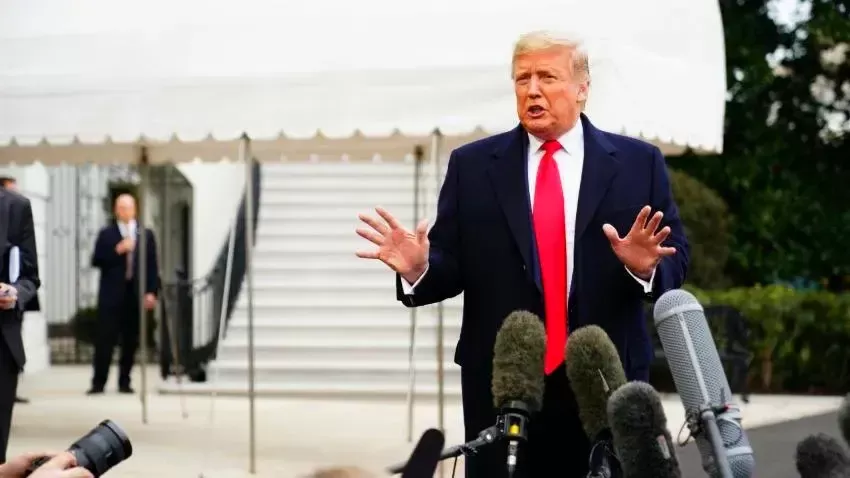
Arabian Sea - Yemen - Follow-ups: The American "Associated Press" agency reported that the United States deported a Yemeni immigrant to a high-security prison in the Kingdom of Eswatini last July, along with four other immigrants from Cuba, Jamaica, Laos, and Vietnam, as part of a secret agreement concluded by the administration of former US President Donald Trump with the government of Eswatini to deport rejected immigrants to a third country. According to the agency, the five immigrants were deported despite the objection of their lawyer, who confirmed that his clients were denied the right to legal representation during their detention in Eswatini, and he was not allowed to meet them on July 25. The lawyer added that the immigrants are being held in solitary confinement, awaiting deportation to their countries of origin, a process that could take up to a full year due to legal and bureaucratic complexities. The agency revealed that these arrangements were made away from any public transparency, within a program aimed at circumventing obstacles to deporting immigrants who cannot be returned directly to their countries for political or humanitarian reasons, as they are sent to third countries under special agreements. The US Department of Homeland Security explained in a post on the "X" platform that it had carried out "an aerial deportation operation to a third country, Eswatini," noting that the five deportees are "foreign criminals residing illegally in the United States," and their countries of origin refused to take them back. According to the ministry, the deportees come from Vietnam, Laos, Yemen, Cuba, and Jamaica, and their photos and identities were attached to the statement. Eswatini, which is surrounded by South Africa on all sides, is the last absolute monarchy in Africa, and is ruled by King Mswati III since 1986, who faces criticism for his luxurious lifestyle and is repeatedly accused of violating human rights. The administration of US President Donald Trump followed a strict approach in the immigration file, represented in a series of policies aimed at reducing the number of immigrants and refugees, such as the "zero tolerance" policy, which led to the separation of immigrant children from their parents, sharply reducing refugee admission quotas, and attempts to cancel the "DACA" program, which protects immigrants who arrived in the United States as children. The administration also sought to conclude agreements with third countries to receive asylum seekers or immigrants whose applications were rejected in the United States, in order to avoid returning them directly to their countries of origin or keeping them within American territory, a policy that sparked widespread controversy and significant human rights criticism.