

Houthis as successors to the Assad regime: Yemen, a new center for Captagon production and terrorism financing.
Arab Sea Newspaper - Follow-ups
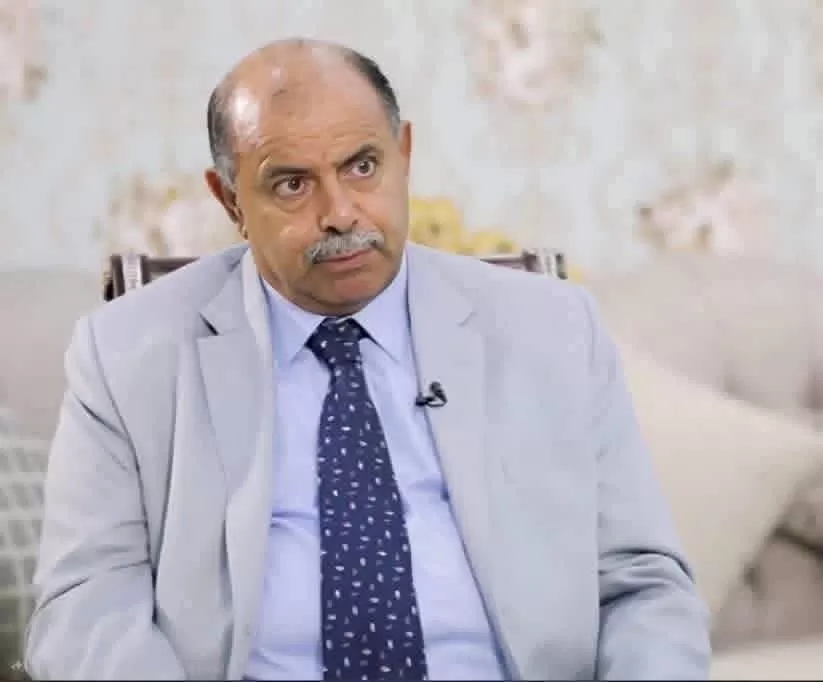
Arabian Sea - Yemen - Follow-ups: The American magazine National Interest warned that Yemen is witnessing a rapid transformation into a new regional center for the production and export of Captagon narcotic pills, noting that the Iranian-backed Houthi group has engaged in this illegal trade to compensate for its sources of funding, exploiting the vacuum left by the decline in drug production in Syria following the fall of the Bashar al-Assad regime. In a recently published report, the magazine explained that the Captagon trade, which flourished for years within Syrian territory, has gradually begun to move to areas controlled by the Houthis, who have an extensive background in the khat trade, before recently turning to drug manufacturing and expanding smuggling networks. The report pointed out that the legitimate Yemeni authorities seized, last July, about one and a half million Captagon pills that were on their way to Saudi territory, coming from areas under Houthi control. The prices of a single pill in the Saudi market range between $6 and $27, making it an attractive source of income used to finance the war effort. The report also confirmed that the Houthis have actually started manufacturing Captagon locally, taking advantage of the rugged geographical nature of Yemen and its long and open borders with Saudi Arabia, which allows them to access a large consumer market and achieve huge financial returns that are used to purchase weapons and ammunition, and carry out attacks targeting Israel and US allies, including US bases in the region. The magazine pointed to statements by Major General Mutahhar Al-Shuaibi, the Director of Security of Aden, who announced in June 2025 the discovery of a Captagon manufacturing plant in areas controlled by the Houthis. It also quoted the Yemeni Minister of Information, Muammar Al-Eryani, confirming that the establishment of the factory was done in direct coordination with the Iranian regime. The "Al-Sharq Al-Awsat" newspaper had revealed earlier in 2023 that the Houthis had obtained materials and equipment that would enable them to establish similar factories. The report indicated that Captagon smuggling activity is no longer limited to Yemen or the Arab region, but has extended through global smuggling networks reaching Europe and the West. It cited the Italian authorities' seizure in 2020 of a huge shipment of about 84 million Captagon pills in the port of Salerno, with an estimated value of $1.1 billion. It also pointed to the thwarting of other smuggling attempts in the Emirates, which included shipments coming from Canada via Spain. National Interest warned that the absence of strict oversight from the American side on the production of Captagon and its smuggling routes may open the way for the emergence of new manufacturing centers inside Yemen, in addition to the continuation of activity in Syria and Lebanon, despite the decline in Assad's influence. The magazine called for a more effective American move, going beyond reliance on old sanctions that are no longer sufficient to confront the development of criminal networks, stressing the need to impose new sanctions and continue to target the financial and logistical infrastructure of those networks. The report concluded by confirming that the Captagon trade did not end with the fall of the Assad regime, and will not disappear automatically with the change of players, but will continue to expand and penetrate unless the United States takes decisive measures to disrupt this system that finances terrorism in the region.