


The tobacco sector is a source of funding for the Houthis' activities, amounting to $5 billion over nine years.
Arabian Sea Newspaper - Special
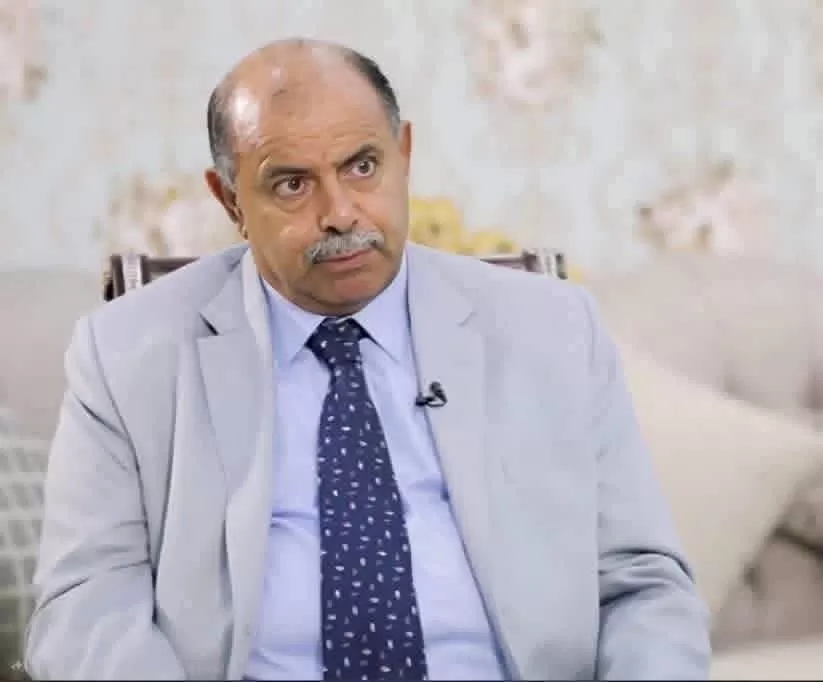
Arabian Sea - Yemen - Special: The internationally recognized Yemeni government has accused the Iranian-backed Houthi militia of turning the tobacco sector in the country into one of the pillars of the parallel economy on which the group relies to finance its terrorist activities inside and outside Yemen, estimating the group's annual revenues from this sector at nearly half a billion dollars. In an official statement made by the Minister of Information, Culture, and Tourism, Muammar Al-Eryani, the government explained that the Houthi militia has completely controlled the tobacco sector since its coup in 2015, including production, import, and distribution operations, which enabled it to seize one of the most important sovereign resources and turn it into a major source of funding for the war and expanding its military and security network. The minister pointed out that the group's direct annual revenues from the tobacco sector range between $450 and $500 million, totaling more than $5 billion over the past nine years, stressing that these funds are not deposited in the state treasury, but are used to finance military operations and serve foreign agendas. He also explained that the Houthis seized the most prominent national tobacco companies, most notably the Kamran Company, through an illegal meeting of the General Assembly, during which they appointed Houthi leaders to the Board of Directors without any legal entitlement or share ownership, prevented the transfer of the company's products to the liberated areas, and forced the foreign partner, "British American Tobacco," to leave the Yemeni market. The minister revealed that the group is engaged in illegal activities, including counterfeiting trademarks, most notably the "Rothmans" brand, and promoting these counterfeit products on a large scale, which constitutes a blatant violation of intellectual property rights and exposes the health of citizens to serious damage due to the low quality of the manufactured materials. He added that the Houthis have established parallel import companies run by loyalists of the group, including "Saba International Tobacco" and "Al-Taj Tobacco and Mukalla Cigarettes," which were previously managed by the Houthi leader Mohammed Daghsan before he transferred their ownership after sanctions were imposed on him. These companies produce counterfeit brands such as "Shamlan" and smuggle them into Yemen and other Arab countries. The Yemeni government accused the group of imposing strict restrictions on competing companies and tightening the noose on foreign tobacco imports, in parallel with flooding the market with huge quantities of smuggled and counterfeit cigarettes through smuggling networks affiliated with it, allowing it to monopolize the market and use it as a means of money laundering. Al-Eryani also pointed out that the Houthis imposed exorbitant taxes exceeding 200% on some types of tobacco, and created internal customs outlets to impose illegal royalties on local products, which led to doubling the burdens on producers and consumers. According to the minister, the indirect revenues that the group earns from the sector amount to hundreds of millions of dollars annually, most notably the profits of the "Kamran" company, which are estimated at $120 million annually, in addition to the revenues of the black market, which amount to about $470 million. He stressed that these absurd practices have caused heavy losses to public revenues, weakened the investment environment, and flooded the market with substandard products that pose a threat to the health of citizens. He pointed out that these steps reveal the seriousness of the parallel economy run by the Houthi group to finance terrorist activities, including targeting navigation, energy security, and international trade, and turning state resources into tools to serve the Iranian project in the region.