


Yemen: Economic experts propose dismantling the corruption system.
Arabian Sea Newspaper - Special
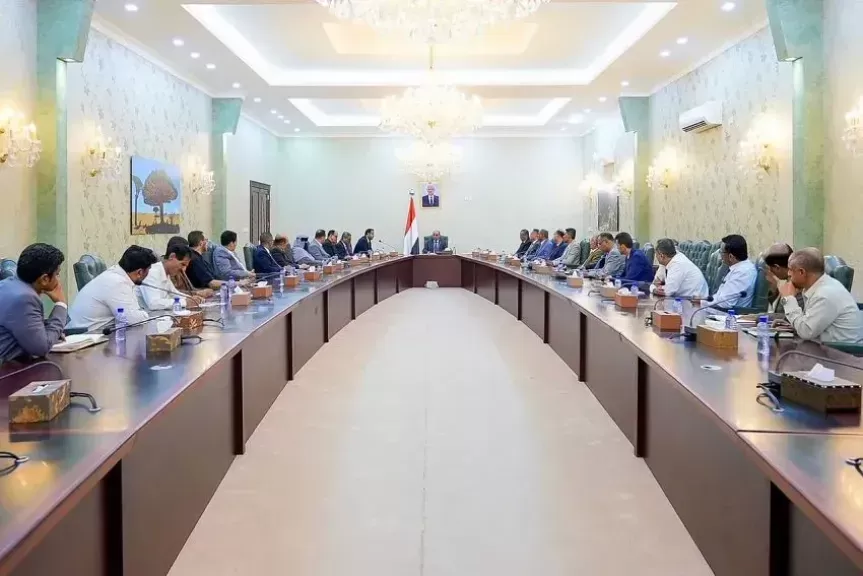
**((Arab Sea)) Exclusive:** Economic experts have called for the implementation of a comprehensive and effective economic reform aimed at controlling public resources, preventing their leakage and continuous waste, and dismantling the corruption system before reopening the file of crude oil exports, which has been suspended since October 2022. Professor of Economics at Taiz University, Muhammad Ali Qahtan, confirmed in a statement to "Al-Araby Al-Jadeed" that the absence of the ability to restore the state makes the file of re-exporting oil and gas a pending issue, explaining that production and export companies are with foreign capital and will not return without an effective state. In contrast, experts questioned the Yemeni government's claim that the cessation of oil exports and its deprivation of financial revenues is the sole reason for the deterioration of the exchange rate of the Yemeni riyal in its administrative areas, and the deterioration of services, especially electricity, which has increased the suffering of citizens. Economic expert Abdul Majeed Al-Batali, a former official in the government's economic studies and forecasts sector, confirmed that the reasons for the deterioration of the local currency are not only the cessation of oil revenues, but there are many other factors that affect the exchange rate. Al-Batali pointed out the importance of linking oil exports to an economic settlement that guarantees the distribution of revenues to the governorates according to criteria that take into account the population size, considering that gas exports are less feasible compared to its domestic use. For his part, Qahtan linked the continued deterioration of the national currency's exchange rate to several factors, including corruption, the loss of state resources, the collapse of the banking system, the division of the currency, in addition to the open spending internally and externally by the leaders of the legitimacy. Economic researcher Abdulwahid Al-Obali pointed out that the losses that the Yemeni government is talking about are in expenses, not revenues, stressing that real reform must begin with addressing this imbalance. Al-Obali warned that resuming oil exports in the current circumstances may exacerbate corruption and administrative laxity. He pointed out that the government is unable to control expenditures related to the purchase of oil derivatives, salaries paid in dollars, and special grants, and is also unable to control the revenues of outlets, airports, ports, taxes and customs, which means that any revenues that may arrive will evaporate due to leakage and corruption. For his part, Qahtan added that the stay of the leaders of the legitimacy institutions and their families abroad drains the state's foreign currency reserves and pushes businessmen to seek financial stability outside Yemen, which leads to the leakage of more foreign currencies abroad. In its recent meeting in Aden, the government reviewed reports submitted by a number of ministers on the performance of service sectors, and emergency plans to address the deterioration of the exchange rate and severe power outages in the temporary capital and a number of governorates.