

Algeria launches arrangements to criminalize French colonial crimes.
Arab Sea Newspaper - Follow-ups
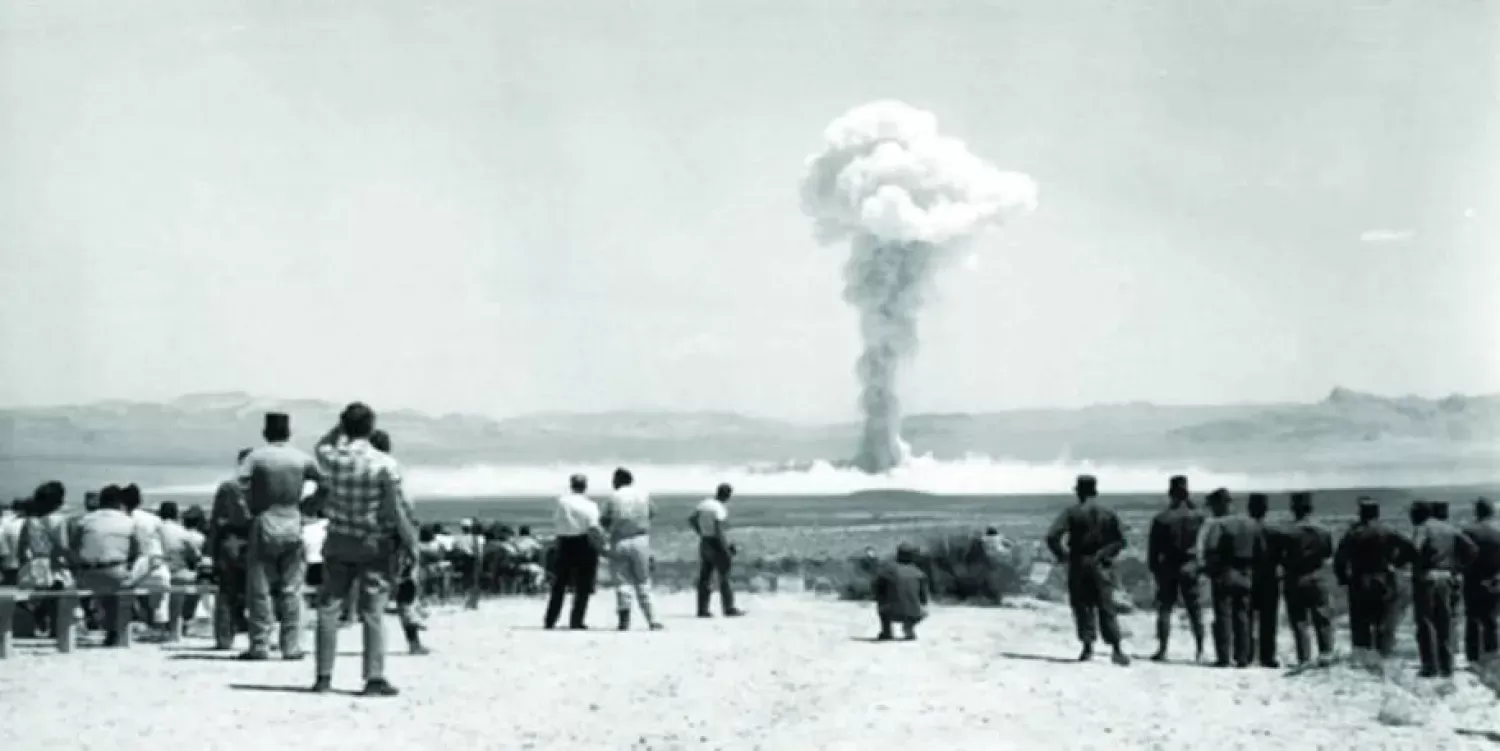
The Algerian government announced on Monday the launch of official arrangements to document the environmental crimes committed by French colonialism between 1830 and 1962, in a move described as "an embodiment of the path of national environmental memory," despite signs of a thaw in Algerian-French relations. The formation of a multi-sector national committee tasked with collecting evidence and studying the effects of environmental crimes, most notably the French nuclear tests in the Algerian desert in the early 1960s, was announced in Algiers. The committee is supervised by the Ministries of Environment and Veterans, along with representatives from the defense, interior, health, higher education, and agriculture sectors. Minister of Environment Kaouther Krikou affirmed that the project represents "the cornerstone in establishing the concept of environmental memory as part of the national memory," while Minister of Veterans Abdelmalek Cherif stressed that Algeria "seeks to be a leader in Africa in documenting colonial environmental crimes and reviving collective awareness about them." This step comes at a time when relations between Algeria and Paris are showing signs of rapprochement after months of tension, following disputes over issues of memory and sovereignty in the Maghreb region. On the other hand, the publication by the Algerian Presidency of a letter from German President Frank-Walter Steinmeier to President Abdelmadjid Tebboune, which included a request for the pardon of writer Boualem Sansal, sparked widespread controversy in political and media circles. Activists spoke of "strong indications" of the authorities' intention to release the writer, who is serving a five-year prison sentence on charges of "undermining national unity," while others considered that the potential response to the German request contradicts the continued detention of a number of Hirak activists and historian Mohamed El-Amine Belghith. The two issues – colonial memory and freedom of expression – are seen as sensitive axes in the current Algerian political scene, amid government efforts to balance the restoration of historical justice and the easing of international pressure on freedoms.