

Arabian Sea Newspaper - Political Analysis Section
Opening the Al Dhale'e - Damt Road... Between Illusions of Local Achievement and the Reality of External Decision
Arabian Sea - Exclusive
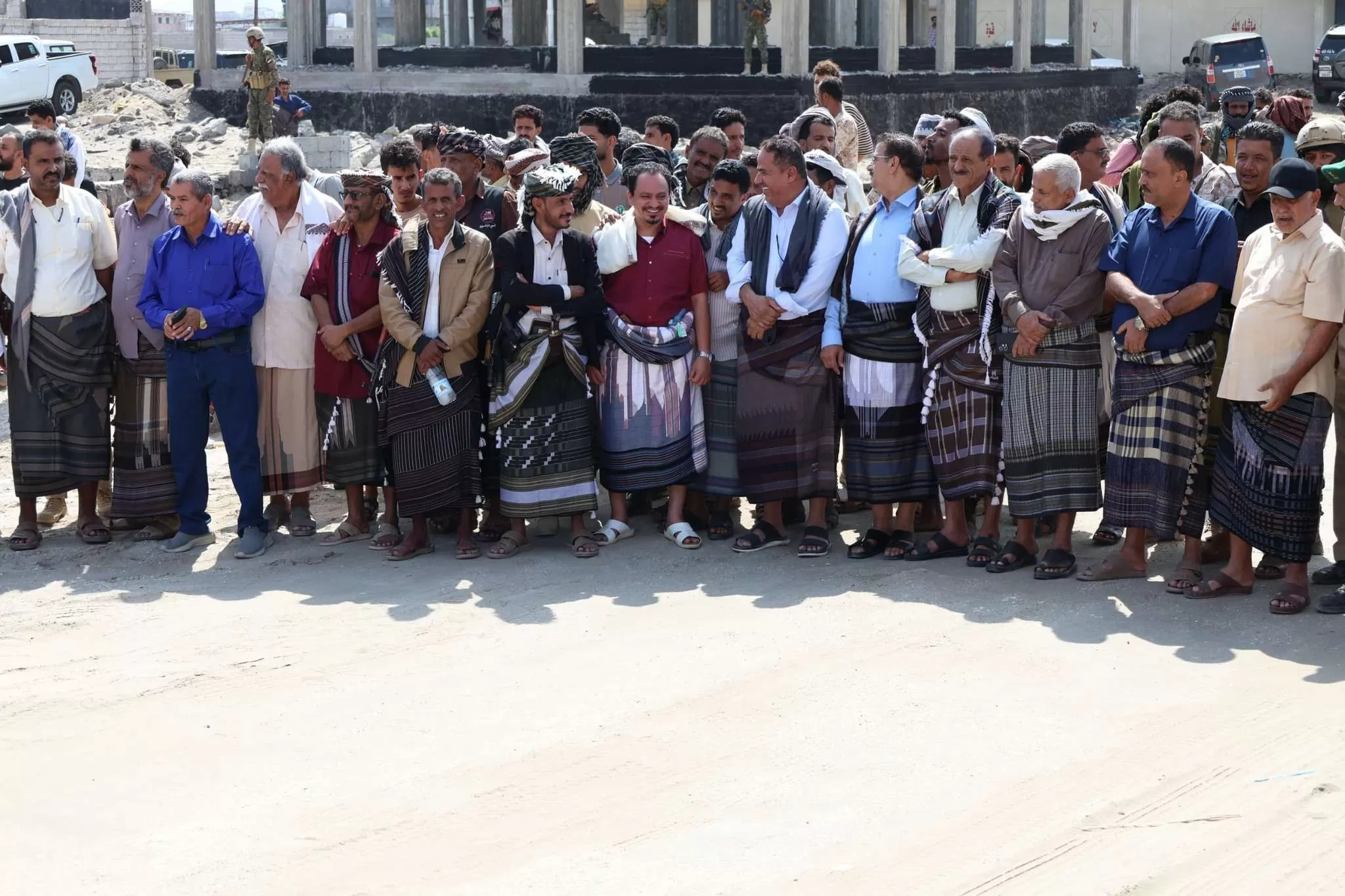
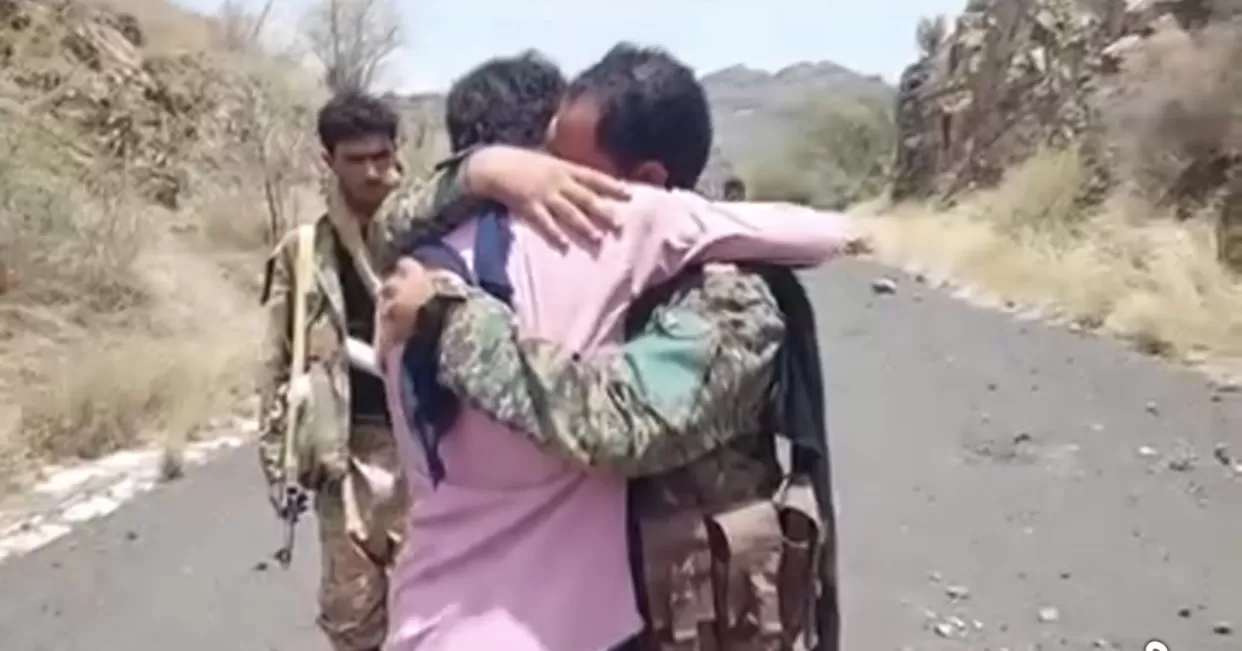
Opening the Al-Dhale'e - Damt Road... Between Illusions of Local Achievement and the Reality of External Decision Bahr Al Arab Newspaper – Political Analysis Department Prepared by: Editorial Team At a time when thousands of Yemenis were optimistic about the opening of the Al-Dhale'e - Damt road, as a step awaited for years to break the internal siege and end the daily suffering of travelers and patients, the political arena was preoccupied with an indirect conflict over "who makes the decision," ignoring that what happened can only be understood within a larger regional context led by the Saudis, under the guise of direct understandings with the Houthis and under UN auspices, while the active Yemeni parties locally are content to play the role of spectators or implementers. Opening the Road: A Political, Not Humanitarian, Decision This is not the first time the issue of opening the road linking northern and southern Yemen via Al-Dhale'e has been raised. The Houthis had previously formed a committee led by the former Minister of Roads, Sheikh Ghaleb Mutlaq, in an attempt to open the road from their side, but the Southern Transitional Council at the time obstructed the efforts and stipulated a ceasefire and the formation of joint committees as a cover for a hidden political rejection. Today, although the data has not changed radically on the ground, only one thing has changed: the regional will. The Saudis, after the advanced understandings they concluded with the Houthis under the auspices of the Sultanate of Oman and a UN umbrella, decided to open this road as part of a de-escalation map they are moving forward with steadily towards a comprehensive settlement, which makes opening the road a political act, not a local decision stemming from an independent Yemeni will. The Transitional Council... Between Illusion and Lost Sovereignty Although some voices affiliated with the Transitional Council tried to promote the opening of the road as a "responsible southern" step, the absence of the previous conditions that were being put forward firmly, and the sudden handling of the issue without any public negotiations, clearly reveals that the decision was not in the hands of the Transitional Council, but was implemented by order from above, from the sponsors of the stage, not the partners in the battle. Indeed, the implicit acceptance of the fait accompli exposes the fragility of the claim of local sovereignty, and confirms that all sovereign joints - from roads to aviation and even wealth - are managed from outside the borders, while the political components share the roles of implementation or media embellishment. "Al-Masirah" TV Documents... and the Image of the Scene Transcends Words The appearance of southern soldiers on the screen of the Houthi "Al-Masirah" channel in scenes of congratulations and thanks after the opening of the road is not just a media coincidence, but a condensed panoramic image of a larger political scene in the making. Today, the language of settlements is going beyond local platforms and moving towards gradually closing the pages of the war, in what resembles psychological and social preparation for a "imposed" peace, not a negotiated one. Where are the Yemeni Voices? A Question Absent for a Long Time The paradox is that all this is happening, and the Yemeni street - in general - is absent from the decision-making table. Neither the Houthis have the legitimacy to negotiate in the name of the north, nor does the Transitional Council speak in the name of the south outside what the coalition decides. Even the "legitimate" government in Aden does not have the initiative, after its sovereign decisions were reduced to formal files, and the core files remained confined between Riyadh and Sana'a under regional and international auspices. Does Opening the Road Constitute a Beginning? Or Just a Test? Opening the Al-Dhale'e road may be read as the beginning of a gradual internal normalization that paves the way for the awaited political settlement. But on the other hand, it may be a test of the will of the local parties and their ability to control the security reality and deal with the "post-war era." Humanity is Indivisible... And Logic is Not Severed If opening the Al-Dhale'e road is being marketed as a humanitarian step, why is the matter not completed by opening the roads of Lahj, Abyan, and Shabwa? And why are other Yemeni regions excluded from this "sudden humanitarian generosity"? Humanitarian logic does not accept being a tool to legitimize partial deals, but must be comprehensive, transcending sects and regions, uniting Yemenis, not classifying them. Otherwise, what is presented as a "gain for the people" is nothing but "an indicator of the extent to which the parties are amenable to domestication," and a paper used to test the field's readiness to accept the final arrangements. Conclusion: ... Between "Opening the Road" and "Paving Memory" The road may be opened geographically, but the Yemeni memory is still full of potholes. The pain is not only in the long distances, but in the psychological walls built by years of war, starvation, and misinformation. And if opening the road does not turn into an opening in minds, consciences, and intentions, we will continue to spin in a vicious circle, in which we are driven from one agreement to another, without knowing: Who is leading Yemen? And where to?