

Syria announces October 5 as the date for parliamentary elections.
Arabian Sea Newspaper - Special
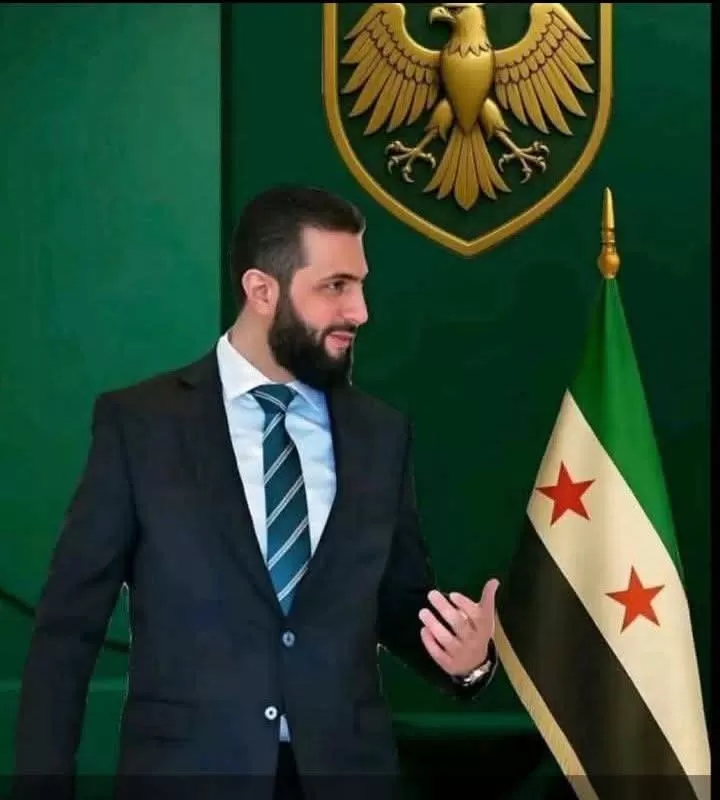
Arab Sea_Agencies: The Supreme Committee for People's Assembly Elections in Syria announced yesterday evening that the indirect election process to choose members of a transitional parliament will be held on October 5th. The Syrian Arab News Agency (SANA) stated that voting for the People's Assembly, which consists of 210 members, will take place in all "electoral districts," despite the election committee saying last month that voting would be delayed in three governorates due to security concerns. Syria will hold its first parliamentary elections under the rule of the new administration on October 5, according to the Syrian Arab News Agency (SANA) yesterday. The new parliament is expected to lay the foundation for a broader democratic process after the ouster of former President Bashar al-Assad last December, following a civil war that lasted nearly 14 years. Critics say that minorities lack sufficient participation in the administration of Syrian affairs under the current regime. The parliament will also be responsible for passing legislation aimed at reforming the state-controlled economic policies of decades and ratifying treaties that could reshape Syria's political alliances. SANA said that voting for the People's Assembly, which consists of 210 members, will take place in all "electoral districts," despite the election committee saying last month that voting would be delayed in three governorates due to security concerns. President Ahmed al-Shara will appoint one-third of the legislators in the People's Assembly. Syria had said that the elections would be held in September and that voting in Sweida, which witnessed clashes in July between Druze fighters and Sunni Bedouin clans, as well as in the governorates of Hasakah and Raqqa, parts of which are controlled by the Kurdish Syrian Democratic Forces. In March, Syria issued a constitutional declaration to define the course of the transitional period under the leadership of al-Shara. The document maintains the central role of Islamic law while guaranteeing women's rights and freedom of expression, but it has raised concerns about the concentration of power in the hands of the Islamist-led administration in Syria.