

Yemen: Al Dhale'e supports 300 beekeepers with beehives to produce the finest types of honey.
Arabian Sea Newspaper - Special
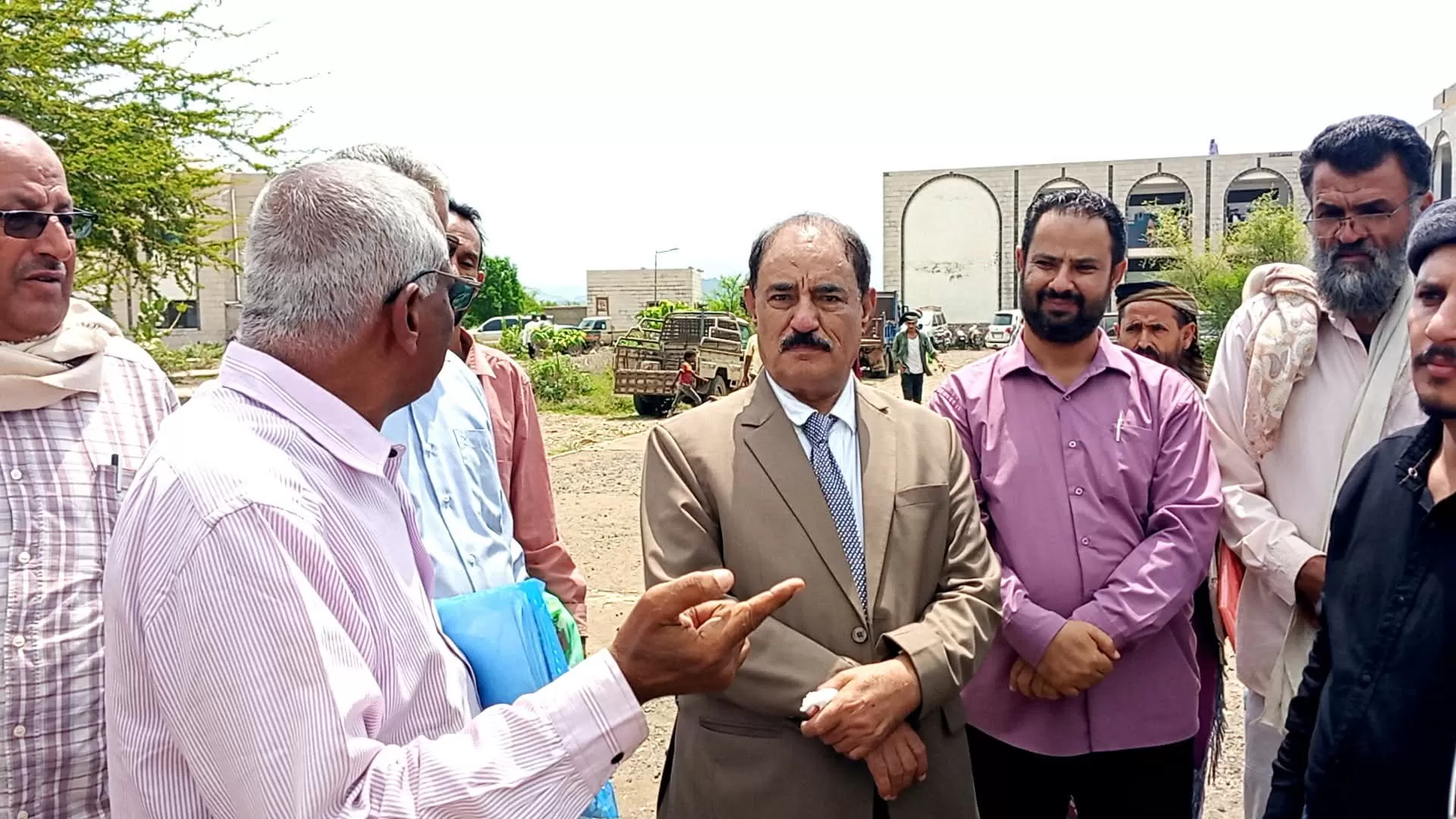
Arab Sea - Follow-ups: The General Directorate of Agricultural Extension at the Ministry of Agriculture, Irrigation, and Fisheries distributed a number of modern beehives and their accessories yesterday, Friday, to support beekeepers in Al Dhale'e Governorate, at the conclusion of the training course on beekeeping and honey production funded by the International Committee of the Red Cross. The Undersecretary of Al Dhale'e Governorate, Nabil Al-Afif, praised the courses that contribute to providing participants with practical skills to improve their living standards and the extent of their importance due to the topics and skills they contain that work on transforming beekeeping and honey production, and that Al Dhale'e Governorate will be one of the main governorates in producing high-quality honey as a general goal. The Director General of Agricultural Extension and Training, Engineer Mukhtar Abboud bin Hammam, explained that this second course is an extension of the TOT training of trainers course, which was implemented for senior trainers in the previous period at the General Directorate of Extension in Aden, which worked to provide trainers with new knowledge and skills to transfer them to beneficiaries in beekeeping and honey production. He added that at the end of the second training course today, they are distributing modern beehives as well as local bees to support beekeepers in Al Dhale'e Governorate. The Relief Officer for Food Security at the International Committee of the Red Cross, Mr. Shafiq Nasser Mandhouq, indicated that the International Committee of the Red Cross will support about 300 beekeepers with beekeeping materials in three installments. He added that they are keen to support this segment of society, to train and qualify them in the field of beekeeping and honey production. The ceremony concluded with the presentation of the second batch of beekeeping and honey production materials to one hundred beneficiaries, including six modern hives and three local bee hives, as well as some other equipment such as queen cages, wax foundation, tightening wire, external feeder, smoker, filter brush, and other materials. The International Committee of the Red Cross also provided for the establishment of a honey laboratory to combat any diseases and treat any negative interference with the quality of the product, in addition to providing a purification device.