

Economic Reforms Between the Challenge of Stability and the Setback of the Recovery Path
Arab Sea Newspaper - Special
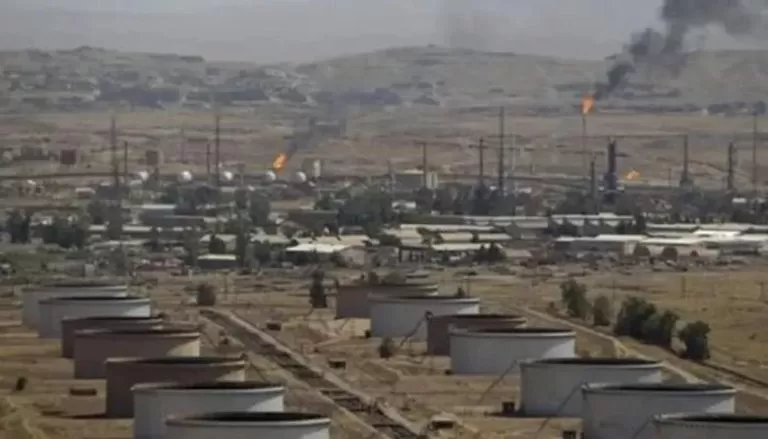
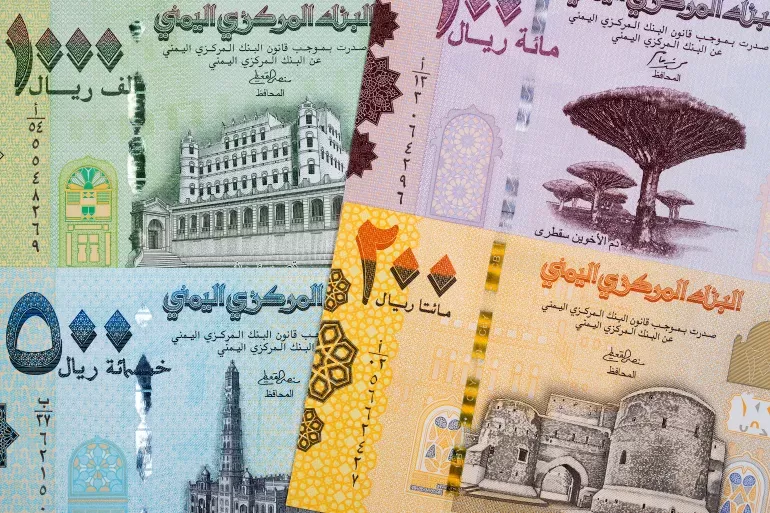
Arabian Sea - Yemen - Special: After years of monetary collapse and the deterioration of the Yemeni riyal's exchange rate, the Yemeni government has begun implementing a package of financial and monetary reforms aimed at stopping the deterioration and restoring economic balance, in the face of a distorted environment fueled by the war and the monetary division between Sana'a and Aden. The most prominent of these measures included strengthening the independence of the Central Bank in Aden, controlling currency printing, and activating open market tools, along with comprehensive inspection campaigns on the exchange sector, which resulted in the closure and withdrawal of licenses of about 45 violating establishments to date. The Anti-Money Laundering Unit was also activated, and the measures collectively contributed to improving the exchange rate of the riyal by about 50%, and a relative restoration of confidence in the banking system. On the pricing side, the government directed local authorities to control the prices of basic commodities, especially in the food, medicine, and fuel sectors, in line with the improvement of the currency. Some major economic entities, such as the Hael Saeed Group, responded with conditional price reductions, amid warnings against taking ill-considered steps that could lead to counterproductive results. The success of these policies depends on their continuity, achieving a balance between protecting the consumer and ensuring the sustainability of the private sector, in addition to an active role for the Central Bank in providing foreign exchange at fair prices. It also requires intensifying diplomatic efforts to secure financial and political support that strengthens the cash reserve, and enables the government to break the economic blockade imposed by the Houthi attacks on oil export facilities. Experts believe that restoring oil and gas exports is the key to strengthening indigenous resources, reducing dependence on monetary printing and foreign aid, as well as politically and economically fortifying the government in the face of the war economy run by the Houthis. Despite the positive start, these reforms are still fragile, and require security and political fortification, and continuous coordination with international partners, to ensure that the recovery path is not reversed, especially in light of escalating popular pressure and the fragility of state institutions in some liberated areas.