

Yemen: Fuel and food imports to Houthi-controlled ports have decreased by 22% since the beginning of the year.
Arab Sea Newspaper - Follow-ups
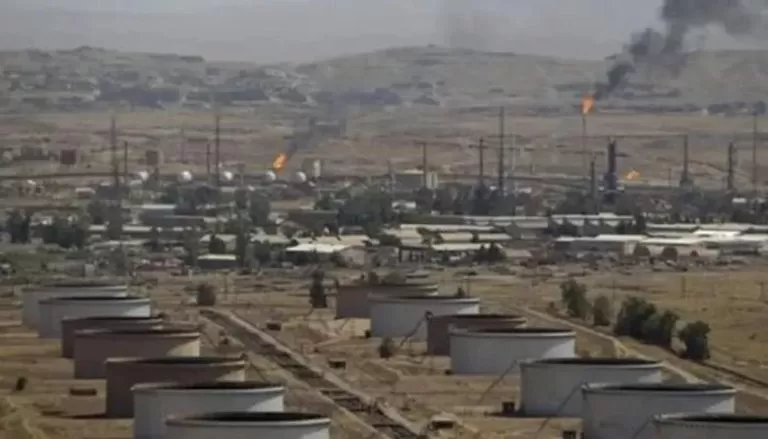
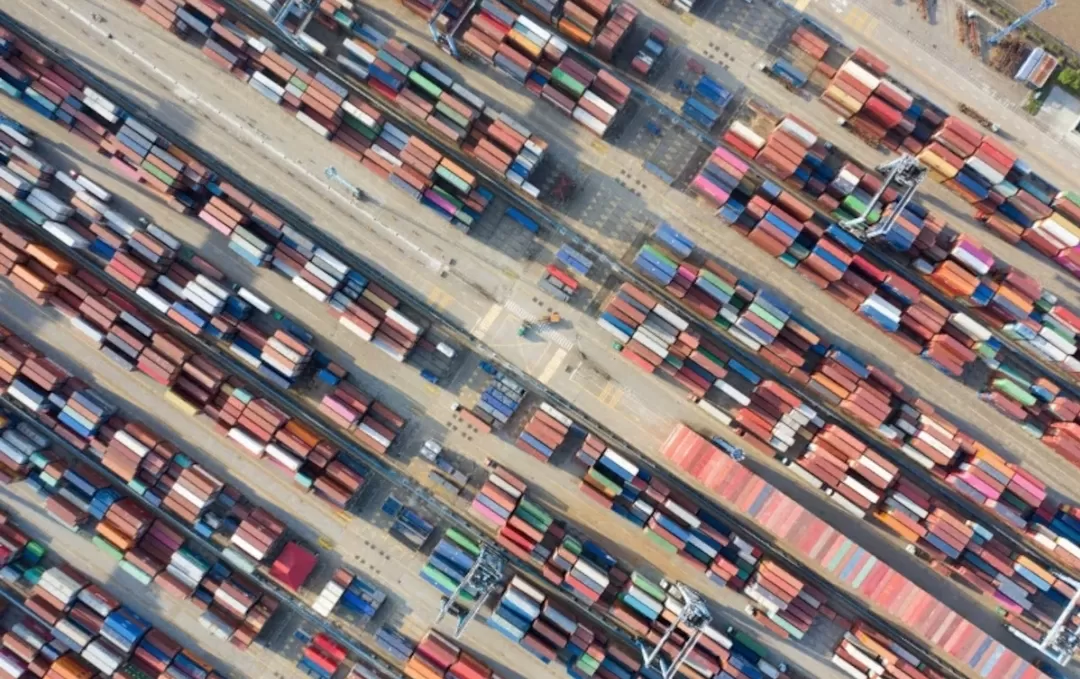
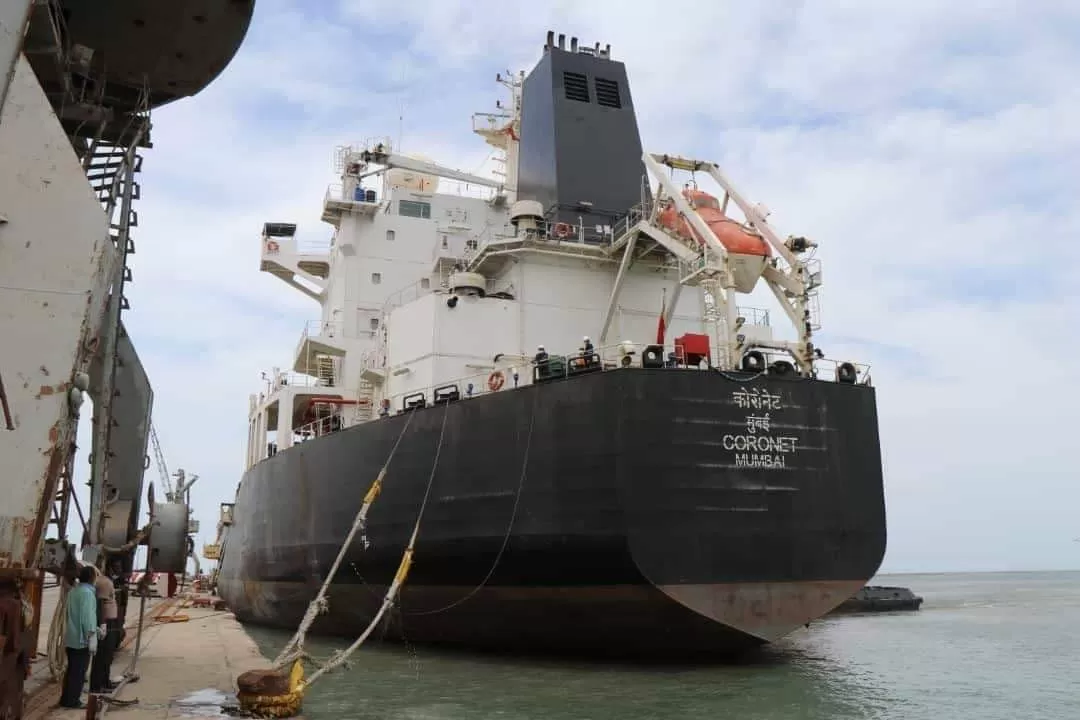
Arabian Sea - Yemen - Follow-ups: Fuel and food imports to ports controlled by the Houthi group SBA, in western Yemen, have decreased by more than 20% during the first seven months of this year, as a result of damage to the infrastructure of these ports, and a decrease in their operational capacity and storage capacity, due to repeated air raids. The World Food Program (WFP) said in its latest report on the state of food security in Yemen that the ports of Hodeidah, Salif, and Ras Issa on the Red Sea, which are under Houthi control, received about 3.7 million metric tons of fuel and food between January and July 2025. According to the report's data, fuel and food imports in the first seven months of this year represent a 22% decrease from the same period in 2024, which saw the entry of about 4.7 million metric tons, and about 7% from the corresponding period in 2023, which saw the entry of nearly 4 million metric tons. The World Food Program explained that fuel imports through the Red Sea ports have continued to gradually decline monthly since the beginning of this year, reaching their lowest levels recorded in the past three years in the previous two months. It added that the cumulative quantities of fuel arriving at these ports between January and July 2025 amounted to about 1.4 million metric tons, a decrease of 26% from the same period in 2024, which saw the entry of 1.8 million tons, and 14% from the corresponding period in 2023, which saw the arrival of 1.6 million tons. The report indicated that the total imports of food to the ports of Hodeidah and Salif also recorded a decrease of 50% from their 12-month moving average, and during the first seven months of this year, these ports received 2.3 million metric tons, compared to 2.9 million tons in the same period of 2024, a decrease of 20% year-on-year. The World Food Program confirmed that the decline in food and fuel imports to Houthi ports "is mainly due to the severe damage to the infrastructure of these ports as a result of American and Israeli raids, which led to a decrease in their operational capacity, absorption capacity, and disruption of operations." The UN program expected further declines in food imports at the level of Yemeni ports in the coming period, which may make food availability less than normal by next September, and that "the increasing risk of fuel shortages in Houthi areas may lead to the interruption of milling operations and the rise in wheat flour prices in these areas despite the current controls."