

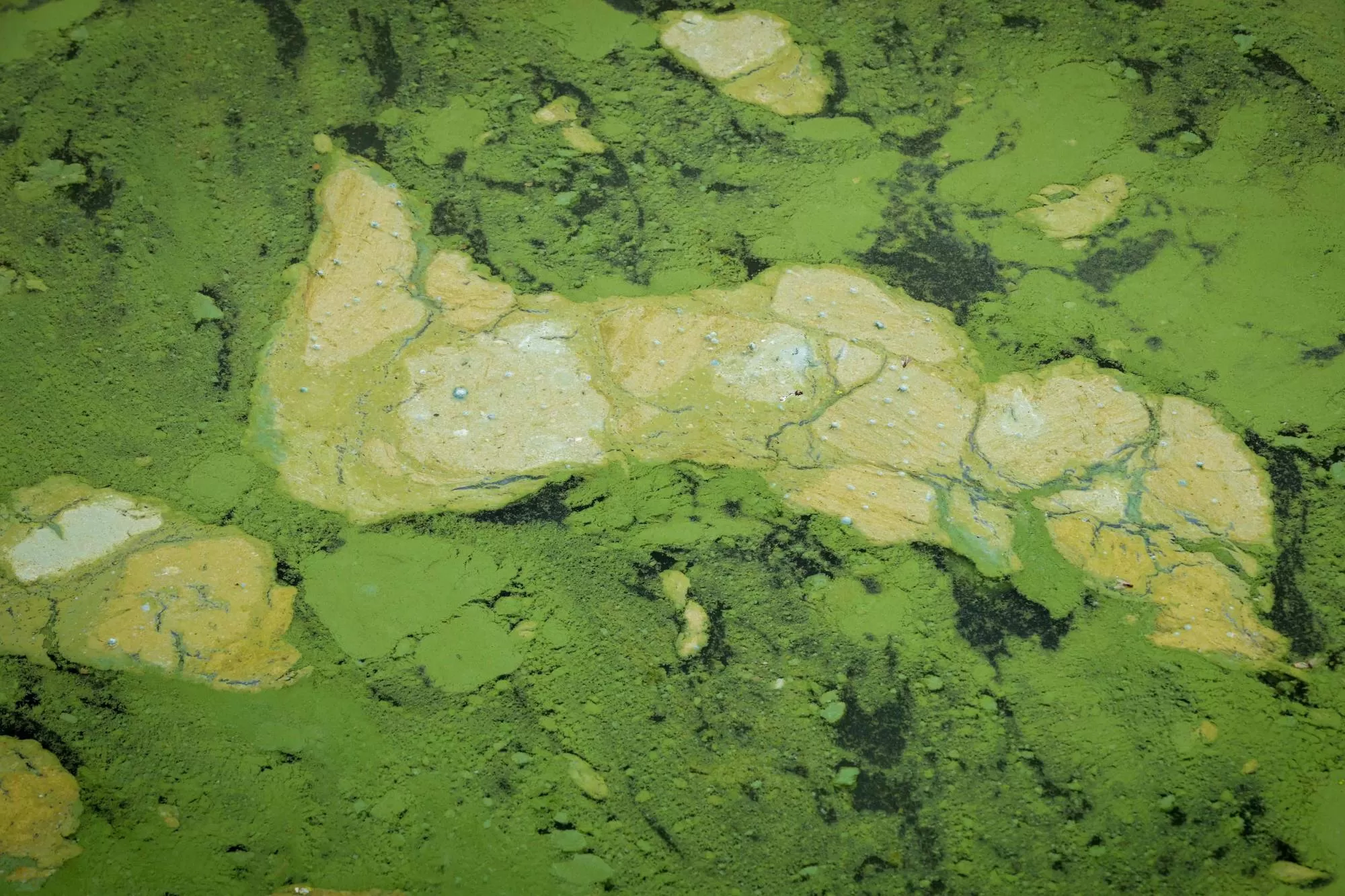
Toxic algae spreads in the UK's largest lake.
Arabian Sea Newspaper - Special
**Arab Sea_Follow-ups:** For the third year in a row, Lough Neagh in Northern Ireland, the largest lake in the United Kingdom, has witnessed a dense spread of toxic green algae, which has dyed its waters and made it emit a foul, rotten odor. This summer, the thick green layer stretching over a vast area, visible from space, has reached a record extent, according to local residents who are greatly concerned about the extent of pollution caused by these algae, scientifically known as "cyanobacteria" or blue-green algae. "The lake is dying," Mary O'Hagan told Agence France-Presse in Balleronan on the west coast of Northern Ireland, as ducks struggled to move on the rocks covered with a slippery green layer. The proliferation of algae, which experts say is fueled by industrial and agricultural pollution, sewage, and climate change, is destroying fishing and severely harming water sports. The discharge of fertilizers from farms that supply the food sector is considered a major cause of pollution. Another cause of pollution is the discharge of untreated sewage. The proliferation of these algae also raises health concerns, as Northern Ireland derives about 40 percent of its drinking water from Lough Neagh. Warning signs have been erected along the banks of the 125-kilometer-long lake, prohibiting swimming, especially in the Balleronan area, about 50 kilometers west of the Northern Irish capital, Belfast. During the years of the Covid pandemic, Mary O'Hagan, 48, used to swim in Lough Neagh, but that is no longer possible. "Swimming here with the wonderful sunrise helped me through difficult times in my life. It is sad to see the lake in this state today," she says. Mary O'Hagan is a member of the "Save Lough Neagh" group, which recently demonstrated to demand that the local government take action. "Polluters must be punished!" she says, calling for the establishment of an independent environmental body capable of punishing those responsible. Moy Park, a poultry processing company that is regularly blamed, asserts that the poultry sector is "strictly regulated, with a strict limit imposed for wastewater quality." A company spokesman explained that the spread of algae is a "complex problem that cannot be attributed to one sector alone." Locally, climate change has also contributed to the spread of the zebra mussel, an invasive species whose ability to filter water can facilitate the formation of cyanobacteria. The algae have wiped out the Lough Neagh fly, which is a key link in the food chain for fish and birds, explains Mick Hagan. "The river used to be full of trout, but today the situation has changed," says the 38-year-old. The largest eel fishery in Europe, located on Lough Neagh, has suspended its activity this year due to quality concerns. Mick Hagan is from the first generation of his family not to fish for eels in Lough Neagh. Hagan runs a pizza truck at a campsite near Balleronan, but the foul odor emanating from the lake has kept tourists away this summer. According to Gavin Knox, whose small paddleboarding club he established in 2022 was also wiped out by the algae, the foul odor can be smelled miles away. "It has become impossible to run this project. Even if there are safe places to paddleboard, no one wants to do it while fish are dying and birds are covered in green slime," he says. The 48-year-old, who has accumulated debt to launch his project, adds that he is angry that the authorities have not offered him any compensation so far. In July 2024, the regional government launched an action plan, but less than half of the planned measures have been implemented so far. The rest are expected to be completed "in 2026 and beyond," the government told Agence France-Presse, without providing further details.