

Mohammed bin Rashid Space Centre announces the successful launch of the "FY1" satellite.
Arab Sea Newspaper - Follow-ups:
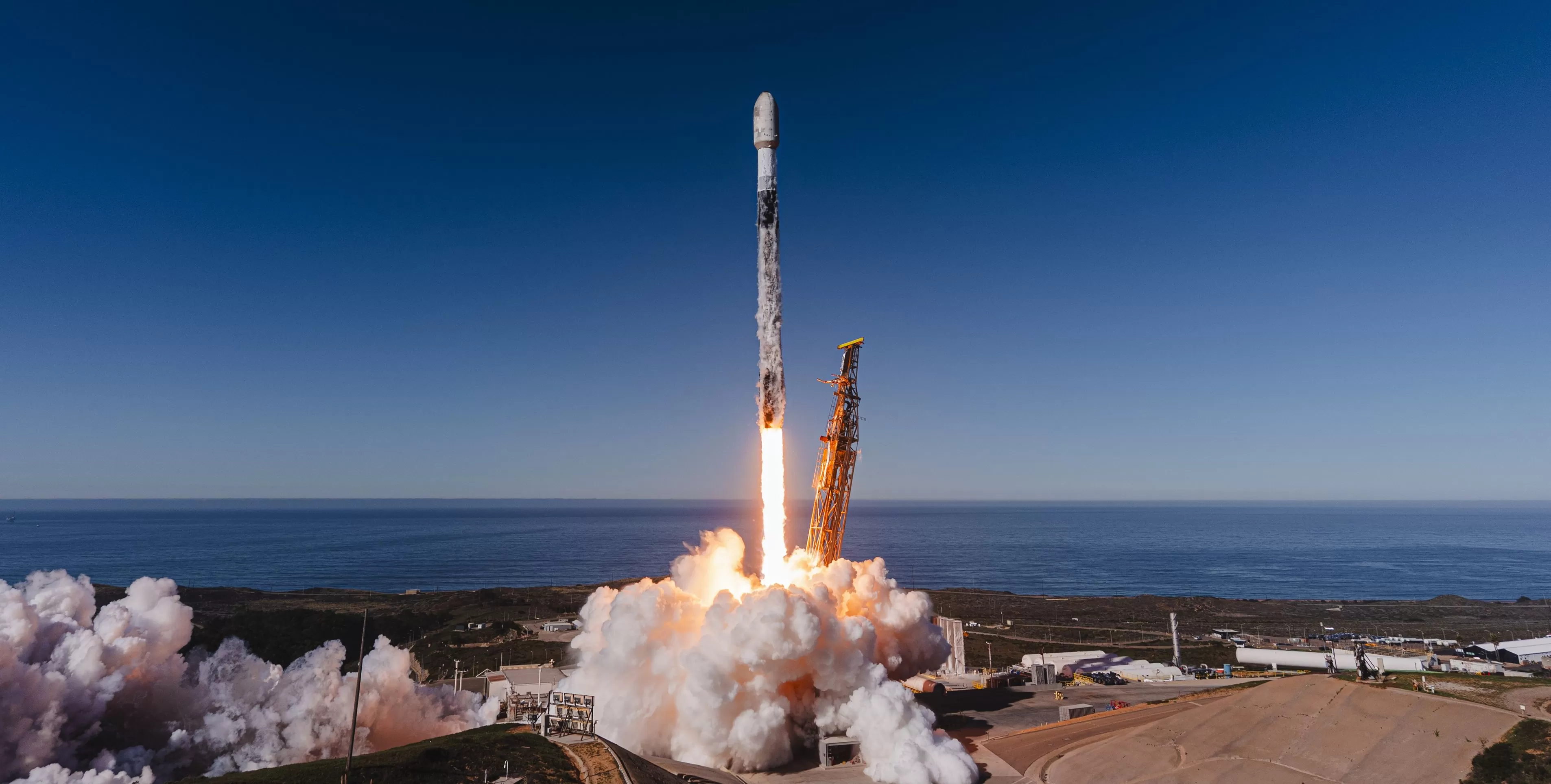
The Mohammed Bin Rashid Space Centre announced the successful launch of the "FAI 1" satellite, the first standardized platform developed within the satellite payload hosting initiative, in partnership with the United Nations Office for Outer Space Affairs, as part of the Access to Space for All initiative. The satellite was launched aboard a Falcon 9 rocket from Vandenberg Base in California on Friday evening, at 10:44 PM UAE time, in a qualitative step that enhances the participation of countries, research institutions, and educational institutions in space science and technology. "FAI 1" embodies the UAE's vision of providing equal opportunities for access to space and enabling countries and institutions to test their technologies in orbit. The satellite hosts innovative scientific and technical payloads from the Bahrain Space Agency, Antarikshya Pratisthan from Nepal, the Mohammed Bin Rashid Space Centre, and the Sharjah Academy for Astronomy, Space Sciences, and Technology, reflecting the spirit of international cooperation and building a shared global space community. "FAI 1" is a standardized CubeSat 12U satellite, weighing up to 20 kilograms, with an expected operational life of approximately one year, and is designed to enable international partners to test and evaluate new technologies in low Earth orbit. The satellite hosts innovative payloads including the Aman payload from Bahrain to test data encryption, a long-range LoRa communication system from Nepal, a high-resolution video camera from the Mohammed Bin Rashid Space Centre, and the "Luna" payload from the Sharjah Academy, an electronic circuit for measuring temperature and determining directions. The satellite was developed entirely in the facilities of the Mohammed Bin Rashid Space Centre in Dubai, with technical support provided for integration operations and verification of payload readiness to ensure the achievement of their operational objectives. Once the satellite reaches its orbit at an altitude of approximately 500 kilometers, it will begin transmitting data to the center's control station, to be analyzed and shared with the participating parties in support of future research.