

Cultural circles mourn the poet and critic Karim Al-Hanaki.
Arab Sea Newspaper - News Updates
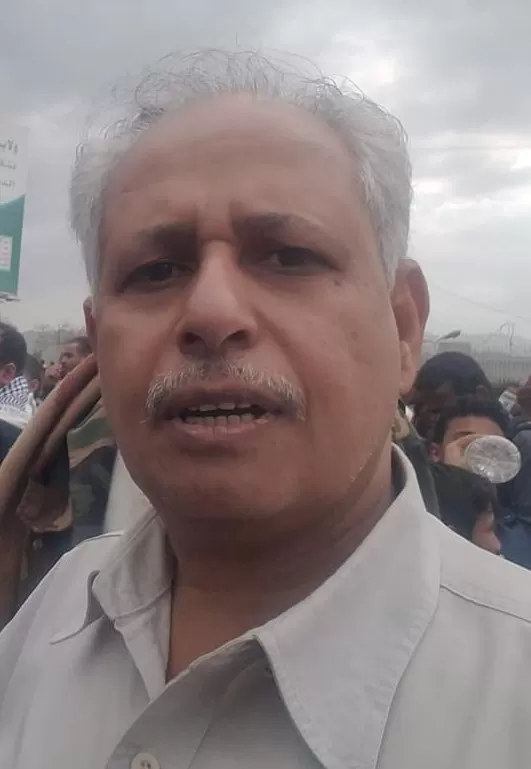
Arabian Sea - Yemen - Follow-ups: Cultural institutions and unions have mourned the poet, researcher, and critic Karim Al-Hanaki, a member of the Executive Council of the Yemeni Writers and Authors Union, who passed away yesterday, Friday, at the age of 65, most of which he spent in the sanctuary of literature and defending noble values. The obituaries affirmed that Yemen has lost, with the departure of Al-Hanaki, one of the most prominent literary figures of the nation, who dedicated their abundant output, rich in creativity, uniqueness, and distinctiveness, to Yemen. They pointed out the values that Al-Hanaki possessed, through which he sided with the nation, unity, and distinct creativity. They expressed deep sorrow and regret for the early departure of the poet, researcher, and critic Karim Al-Hanaki, who enriched the Yemeni library with a large number of titles, through which he will remain immortal in the Yemeni creative memory. Karim Al-Hanaki was born in Abyan Governorate in 1960 and graduated from Aden University in 1994 with a Bachelor's degree in English Language and Literature. His professional career varied between academic, research, and cultural work, where he held editorial positions in a number of institutions, most notably the Al-Dhafari Center for Yemeni Research and Studies, where he worked as a researcher and secretary of the editorial board of "Yemen" magazine. He also participated in translation and literary arbitration projects in cooperation with local and international cultural institutions. Al-Hanaki was distinguished by a poetic language with deep contemplation, imbued with a philosophical spirit, and reconciled with existential anxiety and the great questions of life. He published his remarkable collection "How Many Stabs Now?" in 1995, a work that left its own mark, in which he expressed the pain of the Yemeni and Arab person in a highly distinctive style. He also contributed to the preparation of selections from Humayni poetry within the book "The Ship of Judicious Necklaces and Humayni Rarities," and wrote critical studies and articles dealing with the transformations of the Yemeni poem and questions of beauty and belonging. The deceased was also involved in literary translation, especially from English and Japanese, and presented specialized radio programs, which contributed to enriching the cultural scene and consolidating his presence as a distinct critical and intellectual voice. He represented Yemen in a number of Arab and international cultural festivals and events, including the Al-Mirbad Festival in Baghdad and the Arab Poetry Festival in Damascus, in addition to cultural participations in Japan, Kuwait, and Saudi Arabia. The editorial board of the "Sawt Al Arab" newspaper offers its condolences on the death of the poet and writer, asking God to shower him with his vast mercy and to grant his family and relatives patience and solace. "Indeed, we belong to God, and indeed, to Him we will return."