

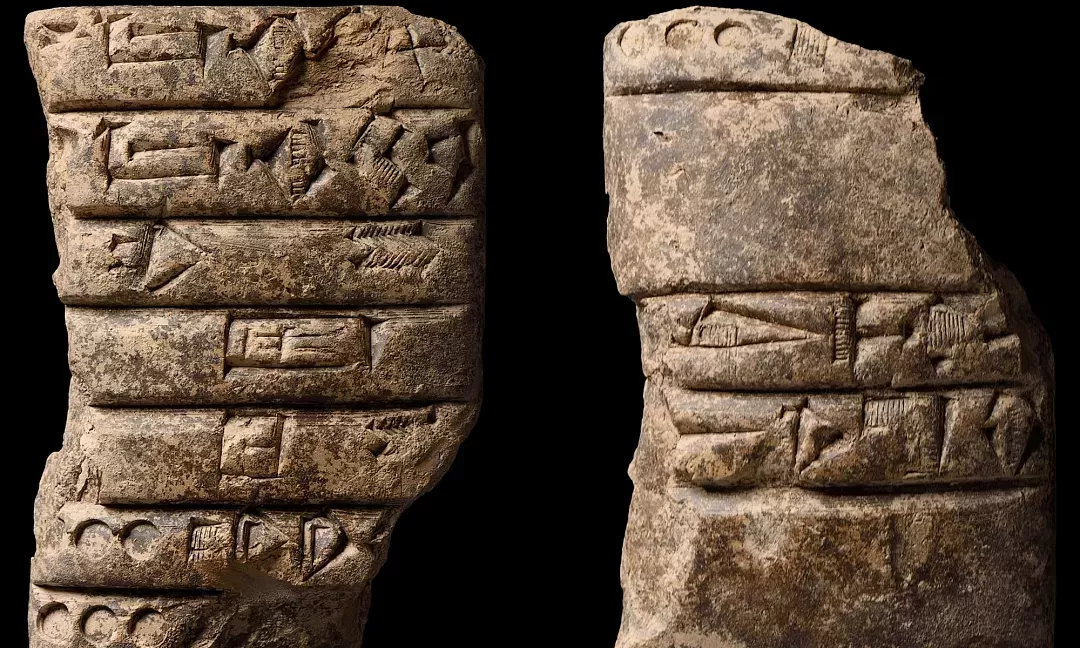
From the heart of Iraq.. a stunning discovery of a 4,000-year-old cuneiform archive dating back to the first empire known to history.
Arabian Sea - Exclusive
This important archaeological discovery offers a rare glimpse into the world of bureaucracy in the Akkadian Empire. These archaeological materials provide accurate and detailed documentation of the nature of administration and organization within the empire that ruled Mesopotamia in the late third millennium BC, specifically between 2300 and 2150 BC, during the reign of King Sargon of Akkad, founder of the first empire in human history. These tablets include extensive details, ranging from daily routines to central administration, such as the distribution of barley rations and transactions for the sale and purchase of livestock, reflecting a highly precise and disciplined bureaucratic system. This documentation is the first material evidence of its kind of how the Akkadian Empire operated from within, and it shows the extent of the organization that characterized its administration at a time when modern administrative tools had not yet appeared. In a statement to the British newspaper "The Observer," Sebastien Rey, curator of the Ancient Mesopotamia section at the British Museum and director of the Girsu project, said: "These tablets are like the empire's spreadsheets. They are the first direct material evidence of the existence of the world's first empire." He added: "The prevailing belief that bureaucratic routine is a modern invention is wrong. The Akkadian Empire was very fond of administrative procedures, and they recorded everything with amazing accuracy... They are really obsessed with bureaucracy." Rey pointed out that these administrative documents were found inside a building believed to have been the official state archive, which adds to their historical importance as they were not stored randomly but within a government archiving system. He explained that this treasure trove of documents provides an unprecedented picture of the mechanisms adopted by the Akkadian Empire in managing its affairs, stressing that this type of archaeological evidence was missing to understand the nature of the state in that era. The importance of these clay tablets goes beyond the administrative dimension, as they also reveal the role of women within the empire, in a society that, despite its patriarchal nature, did not exclude women from positions of influence. Rey commented: "Women held important positions within the state. It is clear that the role of women in this empire went beyond what was common in other contemporary societies, and this is confirmed by the evidence we have in hand unequivocally." The Girsu project, which led to this discovery, is the result of cooperation between the British Museum and the Iraqi State Board of Antiquities and Heritage, and aims to revive and study one of the oldest known Sumerian cities. The tablets that were found are scheduled to be transferred to the Iraqi Museum in Baghdad, where they will undergo further analysis and study by expert researchers in archeology and cuneiform writing.