

The Arab mood towards Iran has shifted amid official silence on the Gaza crimes.
The Arab mood towards Iran has shifted amid official silence on the Gaza crimes.
Arabian Sea - Exclusive
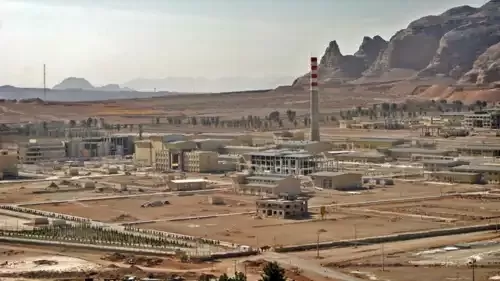
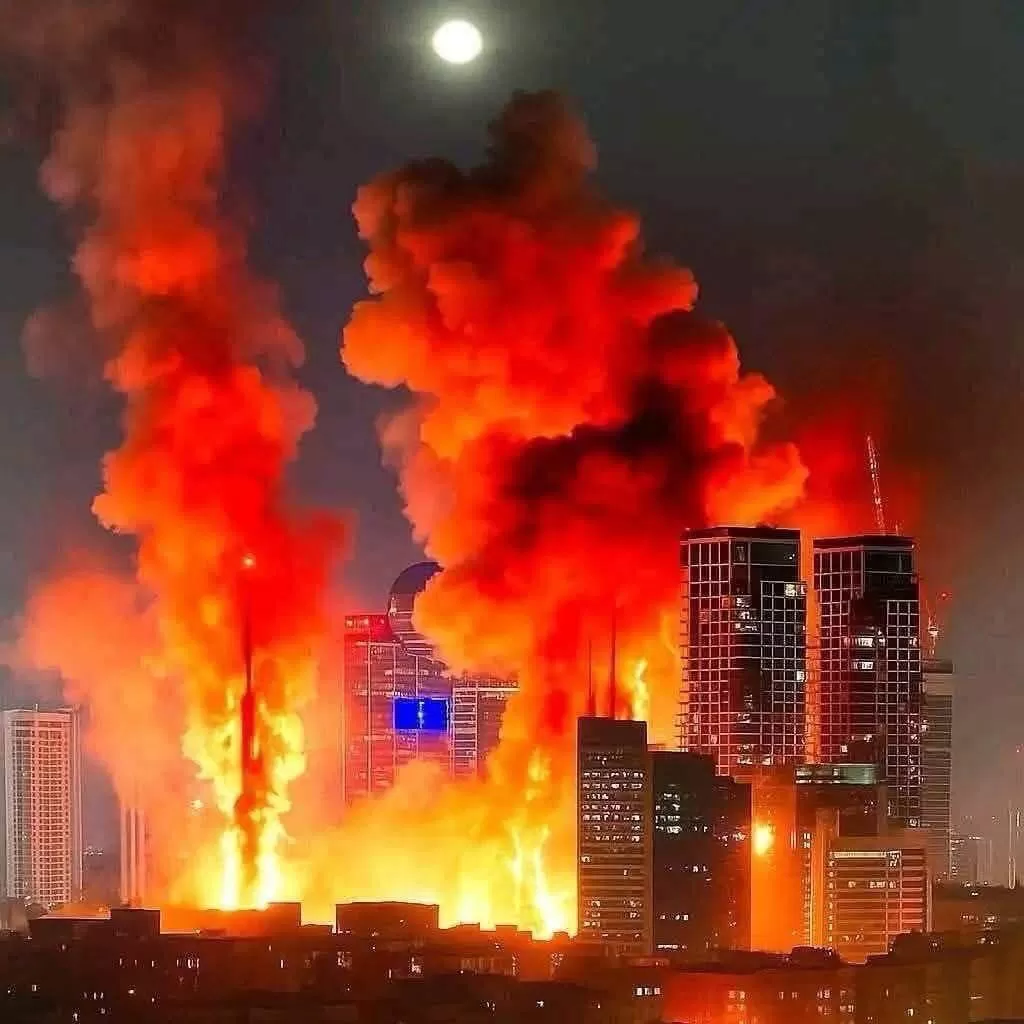
Exclusive News - Arab Sea Newspaper Attached is this image – June 14, 2025 In a pivotal moment in the region's history, as Israeli massacres continue relentlessly in Gaza, Arab capitals turn a deaf ear to issuing any firm stance, while Tehran came out to respond to Israel directly through attacks with drones and ballistic missiles, in what some described as "the most explicit response in decades." This scene, unprecedented in its timing and context, has prompted a wide segment of the Arab peoples to re-evaluate their positions. In light of the silence of governments, the voices of the people began to rise, not in defense of Iran as a state or regime, but as a position. A position that dares to break the prestige of the occupation and respond to it, at a time when others have sufficed with issuing statements of concern. ⸻ Israeli Aggression Against Iran • According to its official data, Israel carried out a series of air strikes targeting "nuclear origins, ballistic missile centers" and military leaders, in an operation codenamed "Rising Lion." • The Iranian Red Crescent Society reported that Israel bombed at least 60 sites across eight provinces since dawn on Friday. ⸻ Iran Responds Firmly • In a swift response, Iran launched more than 100 drones towards Israel, some of which were intercepted in Arab regions such as Saudi Arabia and Jordan. • By the end of Friday, Iran had launched three batches of ballistic missiles towards Tel Aviv, most of which were intercepted. • The Iranian Supreme Leader threatened "severe punishment," stressing that the response was coming "inevitably." ⸻ Results and Repercussions of the Attacks First: In Iran • The killing of prominent leaders such as Hussein Salami and Mohammad Bagheri, and the destruction of nuclear and military facilities. • Experts described the strikes as putting Iran in a "tight corner" and exposing the weakness of the military leadership. Second: Iran's Response • Operation "True Promise III" was launched, and Israeli cities were targeted with missiles and drones, and sirens were heard in Tel Aviv and Jerusalem. • Although the damage was limited, the Iranian response prompted the United States to strengthen air defenses in the region. ⸻ Context and Potential Repercussions • The confrontation threatens to expand the fighting to include Lebanon, Iraq, Syria, and Yemen. • The United States deployed the aircraft carrier "Carl Vinson" in the Arabian Sea to protect its facilities. • The United Nations and major countries called for restraint and the avoidance of an all-out war. The current scenario is dangerous, and depends on whether the parties will move towards diplomatic de-escalation, or engage in new waves of escalation. ⸻ Regional and International Reactions • Kuwait condemned the strikes and described them as a "blatant attack" on Iran's sovereignty. • Hezbollah described the attack as "crossing all red lines." • Analysts warned of the risk of the war expanding to include countries such as Saudi Arabia, Iraq, Lebanon and Syria. • The United Nations called for calm and a return to dialogue. ⸻ Changing the Attitude of Arab Peoples Towards Iran The Israeli attack and Iran's military response sparked a wide debate in the Arab street, especially on social media, leading to a relative change in the public mood towards Iran, as evidenced by the following points: 1. Iran is becoming a direct actor against Israel • After years of being accused of interfering in the affairs of Arab countries, Iran appeared for the first time to direct its military power towards the common enemy – Israel. • This shift has prompted a segment of the Arab street to reconsider its view of Tehran. 2. The Discourse of Resistance and Dignity • Slogans such as "True Promise" and "Restoring Dignity" touched the hearts of peoples who see their governments as silent or normalized. • Activists in the Gulf and the Arab Maghreb called for similar Arab positions. 3. The Rise of the Axis of Action • Arab peoples began to distinguish between those who condemn and those who respond. • Popular comments varied between: "Iran did what the Arabs did not do" and "Shame on us, Israel is striking Gaza and we do not respond." 4. Despite Reservations: A Shift in Image • Despite the rejection of Iranian interventions in Syria, Yemen and Lebanon, the response to Israel redrew Iran's image in some minds from a "covetous state" to a "state that resists." 5. Peoples Precede Governments • Peoples, not governments, are now defining their position through the actions of states, not their affiliations or sect. • Public opinion has become more aware, distinguishing between artificial enmities and the real enemy. ⸻ Conclusion of the Scene Arab public opinion is no longer hostage to official positions or diplomatic speeches. With the silence of some Arab capitals, Iran's position – regardless of its background – emerged as an actual position, which the peoples met with much contemplation, and perhaps cautious admiration. "Who really expresses the dignity of the nation? And who is content with diplomatic statements?" In a time of silence, missiles – no matter where they come from – may turn into a language that expresses pent-up anger and an accumulated demand: dignity.