

Referendum paves the way for coup leader Doumbouya to run for president in Guinea.
Arabian Sea Newspaper - Special
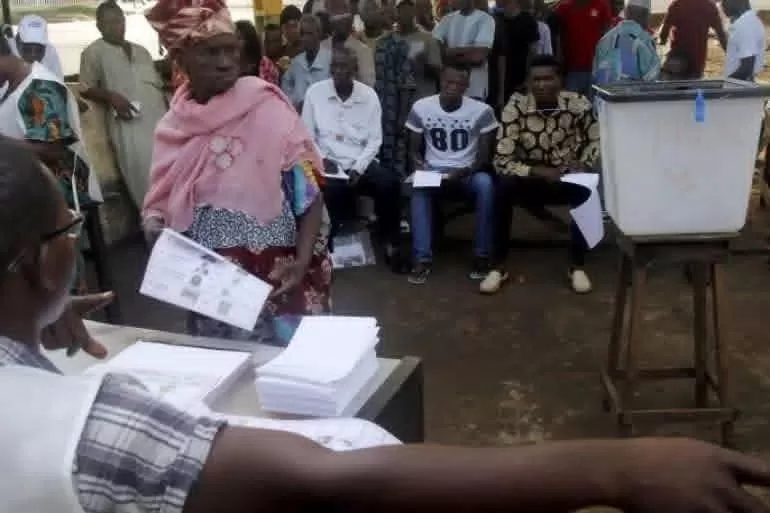
Arabian Gulf_Reuters: Guinea is holding a long-awaited referendum today, Sunday, on a new constitution that could allow coup leader Mamady Doumbouya to run for president if he chooses, something he pledged not to do when he seized power in 2021, according to Reuters. The military-led government in Guinea, which has the world's largest bauxite reserves, has not adhered to a deadline it set for itself, which ended on December 31, 2024, to return to civilian rule. Presidential elections are currently expected in December. Opponents fear that the constitutional referendum is the latest attempt by a military-run government to legitimize its rule in the West and Central Africa region, where eight coups between 2020 and 2023 have reshaped the region's political landscape. While some see the referendum as a step towards elections and a return to civilian rule in Guinea, Doumbouya's opponents criticize the move as a power grab by him. Doumbouya has not yet announced his intention to run. The transitional charter adopted by his government after taking power stipulates that members of the military council are prohibited from running in the upcoming elections. The referendum's provisions are likely to be approved because the two main opposition leaders, Cellou Dalein Diallo and the deposed former President Alpha Conde, have called for a boycott of the vote. The activities of their parties are currently suspended, and Human Rights Watch accuses the government of arbitrarily disappearing political opponents and closing media outlets. The government denies any role in the disappearances but has pledged to investigate such allegations. Polling stations are scheduled to open at 7:00 AM (0700 GMT) today, Sunday, and close at 6:00 PM (1800 GMT). It is unclear when the results are expected to be released. The new constitution would extend the presidential term from 5 years to 7 years, renewable once, and establish a Senate, with the president directly appointing one-third of its members.