


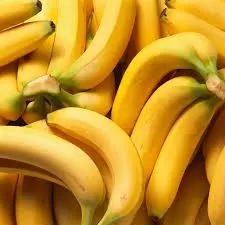
How does the nutritional value of bananas change depending on their color?
Arab Sea Newspaper - Special
The banana changes significantly in terms of taste and nutritional value depending on its degree of ripeness, as it goes through several stages starting from green, then yellowish-green, then yellow, and finally brown. Each stage has its own nutritional characteristics: 1. Green Banana: - Firm and mild in taste - Contains a high percentage of resistant starch, which acts as fiber and promotes a feeling of fullness - Lowers the glycemic index - Nourishes beneficial bacteria in the gut - Beneficial for those seeking to control blood sugar or lose weight 2. Greenish-Yellow Banana: - The percentage of resistant starch begins to decrease, and sugars gradually increase - Potassium and iron content reaches its highest level - Still suitable for monitoring blood sugar, with a sweeter taste - Provides a balance between fiber and energy 3. Yellow Banana: - Fully ripe - Most of the starch turns into simple sugars (glucose, fructose, sucrose) - Excellent source of quick energy - Ideal before or after exercise Although fiber decreases at this stage, it becomes easier to digest, provides antioxidants, and helps support immunity and cell health. Banana with Brown Spots... Antioxidants The banana reaches a stage of extreme ripeness and becomes sweeter when brown and black spots begin to appear on the peel. At this stage, the starch disappears and the fiber is at its lowest level, and the sugar is at its highest levels, however, antioxidants are also at their peak, especially phenols and flavonoids. At this stage, the banana is soft and easy to digest, and becomes an ideal choice for putting in bread or juicing. There is no "best" color health-wise, but the choice depends on the nutritional need, whether you are looking for satiety, minerals, or quick energy.